Introduction
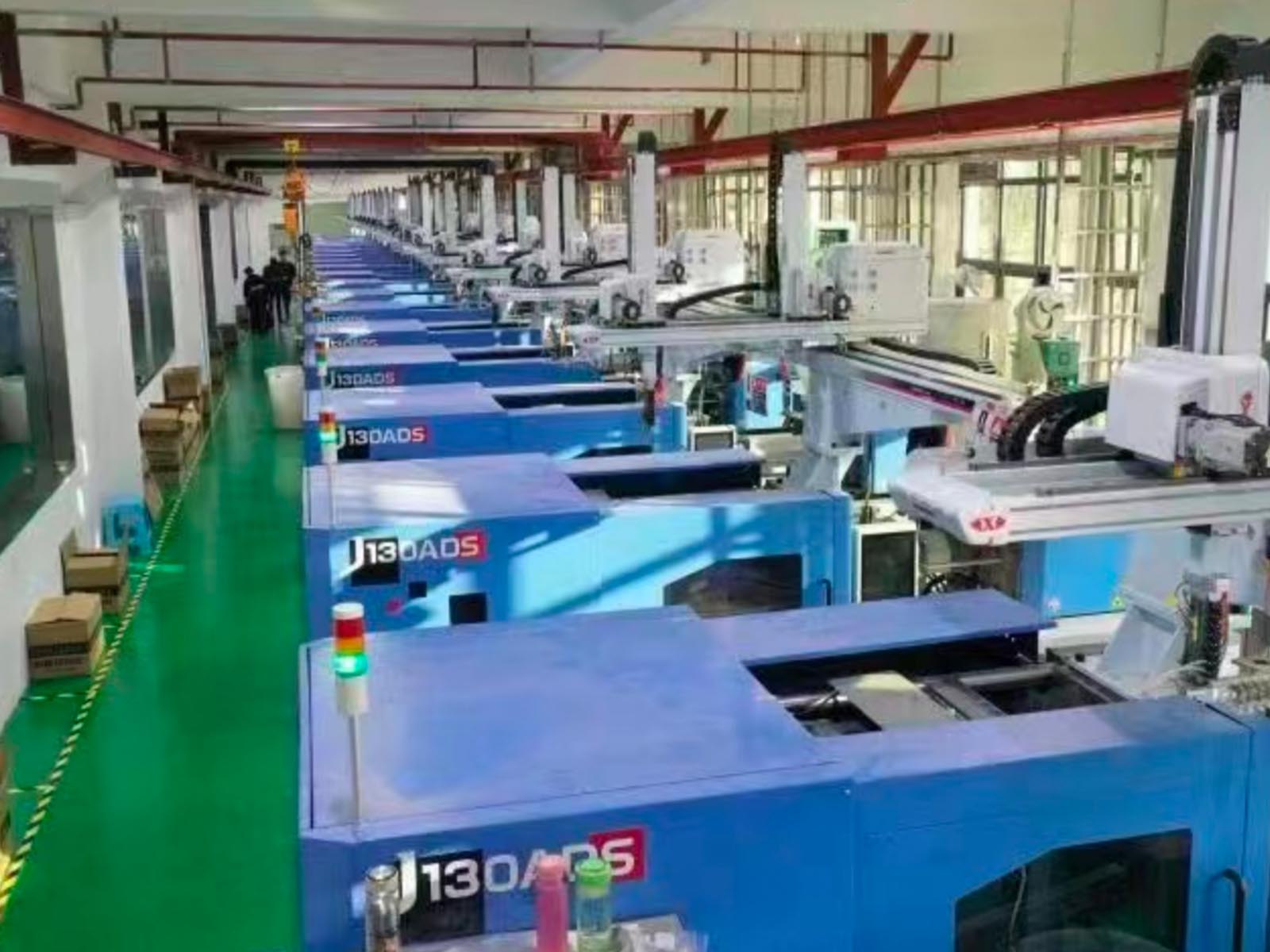
Precision injection molding plays a key role in manufacturing high-accuracy, cost-effective plastic components. These parts are essential for industries like medical devices, automotive, aerospace, and electronics. In this article, we will explore how custom precision molding addresses the unique needs of various industries. You will learn how expert manufacturing ensures high-quality, reliable, and durable parts, driving innovation and efficiency across sectors.
Understanding Custom Precision Injection Molding
What is Precision Injection Molding?
Precision injection molding involves injecting molten plastic into a carefully crafted mold under controlled conditions to create parts with high precision and intricate details. The process utilizes specialized machinery, often with closed-loop feedback systems, to maintain temperature and pressure control with extreme accuracy. This results in high-quality, repeatable parts that meet strict industry standards.
Precision injection molding is essential for industries that require high-performance parts that function seamlessly in their specific applications. The process can be tailored to produce small or large-scale runs of components, making it versatile and cost-effective for different manufacturing needs.
Core Benefits of Precision Injection Molding
Precision injection molding offers several key benefits that make it an ideal solution across various industries. From cost efficiency in large-scale production to reduced material waste, the process ensures that parts are produced with high accuracy and minimal rejection rates. Below is a table outlining the core benefits, applications, technical specifications, and considerations of precision injection molding.
| Feature | Cost Efficiency | Accuracy and Quality | Scalability | Material Waste Reduction |
| Application | Large-scale commercial production, mass manufacturing | Medical devices, automotive components, electronics | Prototyping, low to high-volume production | Used in all types of production, especially large runs |
| Production Volume | High volume production, cost-effective at scale | Suitable for both small and large components | Flexible from prototype to mass production | High efficiency in large-scale production |
| Cost Per Unit | Low cost per unit with large runs | Higher setup cost for smaller runs | More economical for higher volumes | Significant savings on materials for large volumes |
| Lead Time | Longer setup time for initial production, shorter for larger runs | Faster for high-precision parts once the mold is set | Can accommodate quick turnaround for prototypes | Minimal excess material leads to reduced lead time |
| Material Selection | Wide range of materials for cost-effective solutions | Can be used with high-performance materials for critical applications | Supports diverse material options for various applications | Optimized material usage ensures minimal waste |
| Precision | Reduced costs per unit with consistent precision | Tighter tolerances (±0.01mm or better) | High precision in small to large runs | Consistent production with low rejection rates |
| Considerations | Initial tooling cost may be high for small runs | Precision requires advanced machinery | Requires advanced equipment for large volumes | May require more setup time in the initial stages |
Why Choose Custom Precision Injection Molding?
Custom precision injection molding allows for the creation of unique parts tailored to specific design requirements. Unlike mass production techniques, custom molding offers the flexibility to adjust designs and materials based on the client's needs. Whether it’s intricate micro components or large structural parts, custom molding ensures that each product meets the exact specifications required for optimal performance. This approach is particularly valuable for industries where off-the-shelf parts are insufficient or impractical.
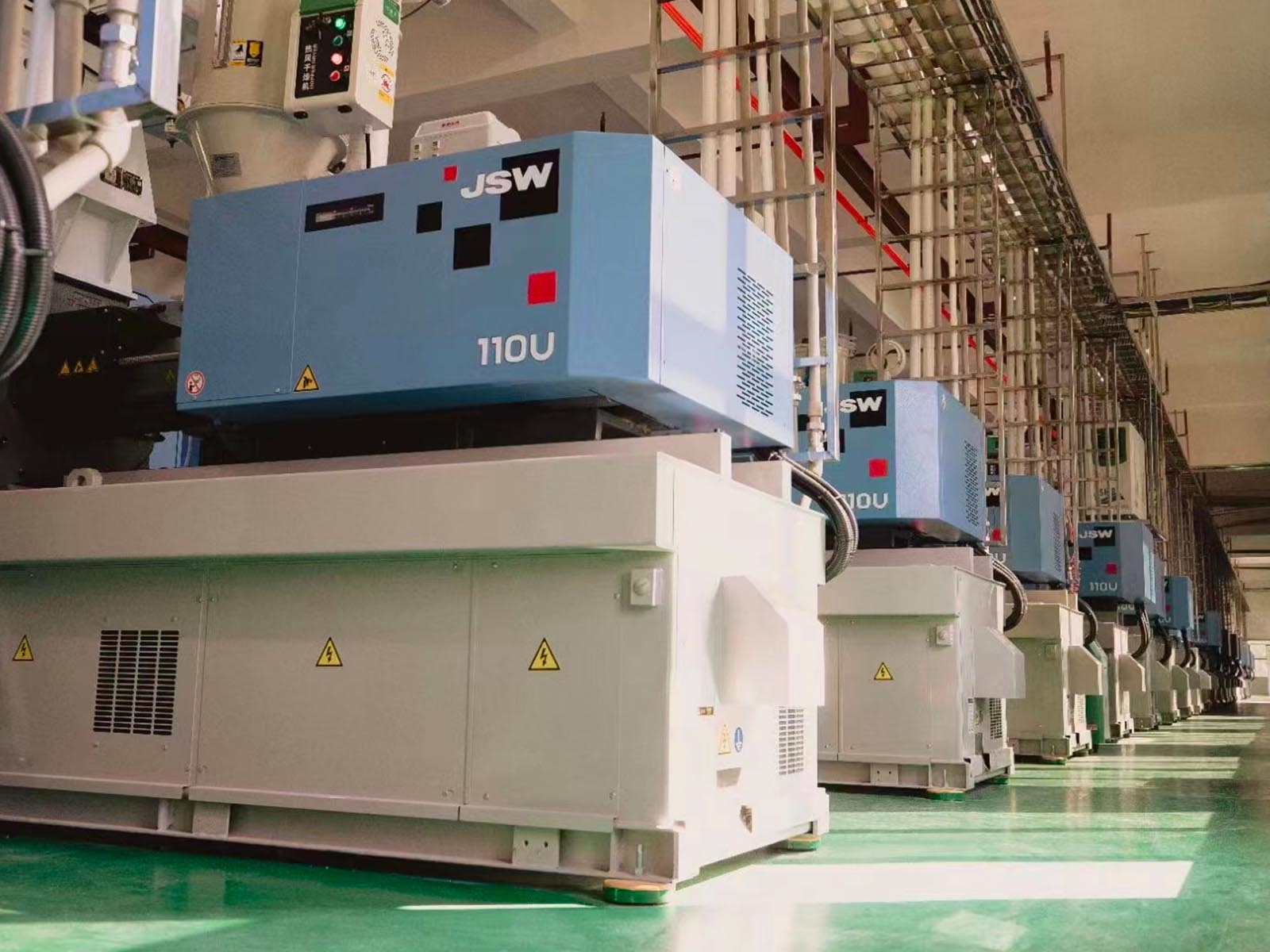
Key Services in Precision Injection Molding
Overmolding & Insert Molding
Overmolding and insert molding are two specialized techniques within precision injection molding that enhance the functionality and durability of parts. Overmolding involves molding one material over another to create a multi-material part. This technique is ideal for products requiring soft-touch surfaces, such as automotive interiors or consumer electronics. By using different materials, overmolding improves the ergonomics and durability of the final product.
Insert molding, on the other hand, involves placing a metal or other material insert into the mold cavity before injecting plastic around it. This method is widely used in the automotive and medical industries, where components need to be durable and resistant to high temperatures or mechanical stress. The combination of materials in insert molding reduces the need for additional assembly, saving time and cost.
Micro Injection Molding
Micro injection molding is a specialized process that focuses on producing extremely small components with intricate details. Often used in industries such as medical devices and electronics, this technique can produce parts with shot weights as low as 0.3 grams. The precision required in micro injection molding ensures that even the smallest parts meet the tight tolerances needed for high-performance applications. The process uses advanced injection molding machines that can handle high-speed and high-pressure injections, allowing for the creation of detailed microstructures that are difficult to achieve with traditional molding methods.
Cleanroom Manufacturing for Medical Devices
Cleanroom manufacturing is a critical component of precision injection molding in industries like medical devices. This process takes place in ISO-certified cleanrooms, ensuring that the production environment is free from contaminants such as dust, particles, and microbes. Cleanroom manufacturing is especially important when producing medical components, such as surgical instruments, syringes, and implantable devices, which must meet strict regulatory standards for safety and sterility. The ability to maintain a sterile environment ensures that medical devices are safe for patient use and compliant with industry regulations like the FDA and ISO 13485.
High-Performance Materials for Precision Molding
Selecting the Right Material for the Job
Choosing the right material is crucial in precision injection molding as it affects the part's performance, durability, and cost. Different applications require different materials depending on factors like temperature resistance, mechanical strength, and chemical resistance. For instance, medical devices require biocompatible materials, while automotive parts may require high-strength thermoplastics that can withstand heat and stress.
Materials are also selected based on the specific demands of the application. For instance, materials like PEEK (Polyetheretherketone) and Torlon (Polyamide-imide) are favored in aerospace and automotive industries due to their excellent heat and chemical resistance. In contrast, POM (Acetal/Delrin) is commonly used for high-precision gears and components due to its high mechanical strength and dimensional stability.
Top Materials in Precision Injection Molding
Choosing the right material is crucial in precision injection molding, especially for high-performance applications. The table below details four common high-performance plastics, widely used in aerospace, automotive, and medical device industries. It highlights their technical specifications, applications, and considerations, making it easier to compare and choose the right material.
| Material Type | PEEK (Polyetheretherketone) | Torlon (Polyamide-imide) | Ultem (Polyetherimide) | POM (Acetal/Delrin) |
| Properties | Excellent heat and chemical resistance | Extremely durable, high wear resistance | High tensile strength, heat resistance | High mechanical strength, dimensional stability |
| Main Applications | Aerospace, automotive, medical implants | Heavy-duty applications like gears and compressor parts | Electrical connectors, medical devices | Gears, clips, precision components |
| Temperature Range | -60°C to 250°C | -196°C to 260°C | -40°C to 170°C | -40°C to 120°C |
| Density | 1.30 g/cm³ | 1.42 g/cm³ | 1.27 g/cm³ | 1.41 g/cm³ |
| Tensile Strength | 100 MPa | 150 MPa | 130 MPa | 70 MPa |
| Impact Strength | Very high | High | High | 25 J/m |
| Chemical Resistance | Excellent, resistant to acids, bases, solvents | Very strong, resistant to high-temperature corrosive liquids | Strong, suitable for most solvents | Good, resistant to most acids and bases |
| Considerations | Expensive, difficult to process, often requires special equipment | Suitable for high-strength parts, but costly | High performance but may become brittle in certain environments | Brittle under heavy stress, suitable for light-duty applications |
| Technical Standards | ISO 9001, FDA certified | ISO 9001, UL certified | UL certified, ISO 9001 | FDA certified |
Tip: PEEK and Torlon excel in extreme high-temperature and high-pressure applications, making them ideal for aerospace and automotive industries, but they are expensive and may not be suitable for lower-demand applications.
Material Testing and Quality Control
Material testing is an essential part of the precision injection molding process. It ensures that the selected material performs as expected under the conditions it will encounter in the final application. Quality control includes inspecting the materials for consistency, strength, and durability. This process often involves advanced testing methods such as tensile strength tests, thermal analysis, and chemical resistance evaluations. Material integrity is key to ensuring that the molded parts meet the strict standards required in industries like healthcare, automotive, and electronics.
The Process: From Design to Production
Design for Manufacturability (DFM)
Design for Manufacturability (DFM) is an essential step in the precision injection molding process that ensures the product design can be efficiently and cost-effectively produced. This process involves analyzing the part's design to identify potential manufacturing issues early on. By considering factors such as material flow, mold design, and part geometry, DFM helps avoid design pitfalls and ensures that the part can be molded with minimal waste and maximum precision. Collaborating with a skilled design team during the DFM stage can significantly reduce production costs and time.
Tooling and Mold Design
Tooling and mold design are critical to achieving high precision in the final product. In precision injection molding, molds are created using advanced techniques such as CNC machining, EDM (Electrical Discharge Machining), and 3D printing. These methods allow for the creation of molds with tight tolerances, ensuring that the parts produced meet exact specifications. The mold design process also includes considerations for part ejection, cooling time, and material flow, all of which influence the quality and efficiency of the molding process.
Rapid Prototyping and Production
Rapid prototyping is an essential part of the precision injection molding process, allowing manufacturers to quickly test designs before full-scale production. Prototypes can be produced using quick-turn tooling or 3D printing to evaluate the design's functionality and fit. Once the prototype meets the required specifications, full-scale production can begin. This process helps reduce lead times and enables manufacturers to respond quickly to market demands. By iterating designs and conducting thorough testing before mass production, companies can ensure that the final product will perform reliably in its intended application.
Expertise in Custom Precision Molding for Various Industries
Medical and Healthcare
Precision injection molding plays a pivotal role in the production of medical components, where accuracy and safety are paramount. Parts such as surgical tools, medical-grade syringes, and implantable devices require exceptional attention to detail and adherence to strict regulatory standards. Custom precision molding ensures that these components are manufactured to the highest standards, ensuring reliability, durability, and biocompatibility. Medical device manufacturers rely on precision molding services to deliver products that meet both safety requirements and functionality needs.
Automotive Industry
In the automotive industry, precision injection molding is used to create a wide range of critical components, from small gears to large structural parts. These components must withstand extreme conditions, including high temperatures, stress, and constant motion. Automotive manufacturers use precision molding to produce fuel system components, steering system parts, and interior elements that require precise measurements for fit and function. The ability to mold complex parts with high tolerance ensures that automotive components perform reliably in demanding environments.
Electronics & Consumer Goods
Precision molding is also widely used in the production of components for consumer electronics, where small, intricate parts are essential for functionality. Electronics manufacturers use injection molding to produce connectors, housings, and other components that must fit within tight spaces and operate reliably over time. The versatility of precision molding allows for the creation of both aesthetically pleasing and highly functional parts, from the tiny connectors in smartphones to the durable housings for high-end electronics.
Why Partner with an Expert Precision Molding Service?
Quality Assurance
Partnering with an expert precision molding service ensures that the parts produced meet stringent industry standards for quality and consistency. Professional molding services adhere to strict inspection protocols, including metrology and dimensional verification, to ensure each part meets the required specifications. Many companies are ISO-certified, further guaranteeing that their processes comply with international standards. Quality assurance practices, including rigorous testing and inspections, ensure that parts function as intended and are free from defects.
Cost & Time Efficiency
One of the key reasons to choose an expert precision molding service is the ability to optimize both cost and time. Precision molding services use advanced technologies and manufacturing techniques to reduce waste and improve production efficiency. With streamlined production processes, these services can offer faster turnaround times, allowing businesses to meet market demands quickly while keeping production costs in check. By reducing the need for secondary operations and minimizing waste, expert molding services contribute to long-term cost savings.
Customization and Flexibility
Expert precision molding services offer highly adaptable solutions to meet specific client requirements. These services are ideal for businesses that need flexibility in production, whether for small-scale prototyping or large-volume manufacturing. The ability to adjust production schedules and modify designs ensures that businesses can quickly respond to market shifts and customer demands while maintaining strict quality control.
| Feature | Small-Scale Prototyping | Mass Production | Design Adjustments | Production Schedules |
| Application | Rapid development of prototype parts for testing | High-volume production of finished components | Modification of part design based on client feedback | Adjustments to production timelines based on demand |
| Production Volume | Typically 10-100 units | Typically 1,000+ units | Varies based on client needs | Flexible, can accommodate rush orders or delayed timelines |
| Lead Time | 5-10 business days | 2-4 weeks | Quick turnaround, typically 2-5 business days | Can expedite for urgent requirements, standard lead time is flexible |
| Cost | Higher per unit due to smaller runs | Lower cost per unit with larger runs | Cost adjustments based on design complexity | Can adjust based on time constraints and volume |
| Material Options | Limited selection, focused on testing materials | Wide range of materials for large-scale runs | Materials chosen based on design and function | Same as mass production, but can vary for special designs |
| Quality Control | High focus on precision and functionality | Ongoing inspection for consistency and accuracy | Testing of modified designs for fit and function | Continuous monitoring to ensure quality standards are met |
| Considerations | May require additional setup time | Long production cycles | Frequent revisions can affect production timelines | Delays or rush requests may increase costs |
| Technical Standards | Prototype standards, material compatibility | Industry-specific certifications (ISO, FDA) | Customized to meet specific technical requirements | Flexibility in adapting to client deadlines and specifications |
Tip: Small-scale prototyping allows for flexibility in design and material selection, but may incur higher per-unit costs. Mass production reduces cost per unit and is ideal for high-demand products, but adjustments to schedules and designs may need additional coordination.
Conclusion
Custom precision injection molding services are essential in industries where high-quality, durable, and precise components are critical. From medical devices to automotive parts and electronics, precision molding provides a cost-effective and scalable solution for producing complex, high-performance parts. Partnering with HOUDEMOLD ensures that your products meet the highest quality and performance standards, optimizing production efficiency and reducing lead times. HOUDEMOLD offers tailored solutions, from design to production, making sure your components meet exact specifications.
FAQ
Q: What is Precision Injection Molding?
A: Precision injection molding is a manufacturing process where molten plastic is injected into a precisely designed mold to create parts with high accuracy and intricate details. It is widely used for producing parts that require tight tolerances across various industries.
Q: How does Precision Injection Molding work?
A: The process involves heating plastic to its molten state and injecting it into a mold under controlled pressure and temperature. The mold shapes the plastic into the desired part, which is then cooled and ejected.
Q: Why should I choose Custom Precision Injection Molding services?
A: Custom precision injection molding allows for the production of parts tailored to specific design requirements. It offers flexibility in material selection and ensures high-quality, durable, and cost-effective components for specialized applications.
Q: What industries use Precision Injection Molding?
A: Precision injection molding is used across industries like medical devices, automotive, aerospace, and consumer electronics. It is ideal for producing complex, high-performance parts that require precision and durability.
Q: What are the advantages of using Precision Injection Molding for mass production?
A: Precision injection molding is cost-efficient for large-scale production as it minimizes material waste and reduces rejection rates. It ensures high-quality, consistent parts, making it an excellent choice for high-volume manufacturing.
Q: How do material choices affect Precision Injection Molding?
A: The material selected for precision injection molding impacts part performance, durability, and cost. High-performance materials like PEEK or Torlon are used for demanding applications, while more cost-effective materials are selected for standard parts.

