
Views: 0 Author: Site Editor Publish Time: 2026-02-05 Origin: Site

High-volume precision injection molding is revolutionizing the automotive industry. How can manufacturers produce millions of identical parts with exceptional precision? This process ensures that automotive parts meet rigorous standards for safety, durability, and performance. In this article, we will explore the benefits of precision injection molding, its key characteristics, and its applications in automotive manufacturing. By the end, you'll understand how this technology ensures high-quality production while meeting the growing demands of the automotive sector.
High volume precision injection molding is a specialized form of manufacturing that utilizes precision molds and tightly controlled processes to produce automotive components. This process involves injecting molten plastic into molds at high pressures, which then cools and solidifies into the desired shapes. Unlike conventional molding, this technique focuses on achieving extremely tight tolerances and maintaining uniformity across all parts produced. The use of advanced machinery and robotic systems ensures minimal defects and high repeatability, which is crucial for automotive components that require a flawless fit and functionality.
High-volume precision injection molding is known for its ability to produce large quantities of parts with extremely tight tolerances and fast production cycles. The process relies on advanced automation, including robotics and real-time monitoring, to ensure high efficiency and consistent quality. Below is a detailed table outlining the key characteristics, technical specifications, and applications of high-volume molding.
| Characteristic | Description | Technical Specifications | Applications | Considerations |
|---|---|---|---|---|
| Precision | High-volume molding can maintain very tight dimensional tolerances, ensuring consistent part quality. | Tolerances: ±0.01mm to ±0.001mm | Automotive interior and exterior parts, engine components | Precision is crucial for safety-critical parts like airbags and sensors. |
| Automation | The process is highly automated, reducing human error and increasing production speed. | Full automation: Robotics for material handling, part removal, and quality inspection. | Automotive components that require high precision and consistency | Ensure continuous monitoring and maintenance of automated systems to prevent errors. |
| Cycle Time | High-speed production cycles enable the efficient production of large volumes. | Cycle times: 40 to 120 seconds per part | High-volume production runs for automotive and industrial parts | Adjustments to cycle time may be needed for more complex parts or larger volumes. |
| Temperature Control | Accurate control of molding temperatures ensures consistent part formation. | Temperature control tolerance: ±0.5°C | Parts requiring heat resistance and stable performance under high temperatures | Inconsistent temperature management can lead to defects and part inconsistency. |
| Pressure Control | Consistent pressure management ensures uniform material flow and part formation. | Injection pressure: 216-243 MPa (higher than standard runs) | Complex parts requiring consistent fill and low defect rates | Pressure deviations can lead to poor mold filling and dimensional variations. |
Tip: Consistent automation and precise control over temperature, pressure, and cycle time are key factors for ensuring that high-volume precision injection molding remains efficient while meeting the automotive industry's strict quality standards.
In high volume precision injection molding, the cycle times are optimized for speed and consistency, which are key to reducing per-unit costs. These processes typically produce anywhere from 100,000 to over 1 million parts annually, depending on the specific needs of the automotive manufacturer. The rapid cycle times are facilitated by the use of high-performance presses and multi-cavity molds, allowing for multiple parts to be produced simultaneously, significantly increasing output while maintaining consistent quality.
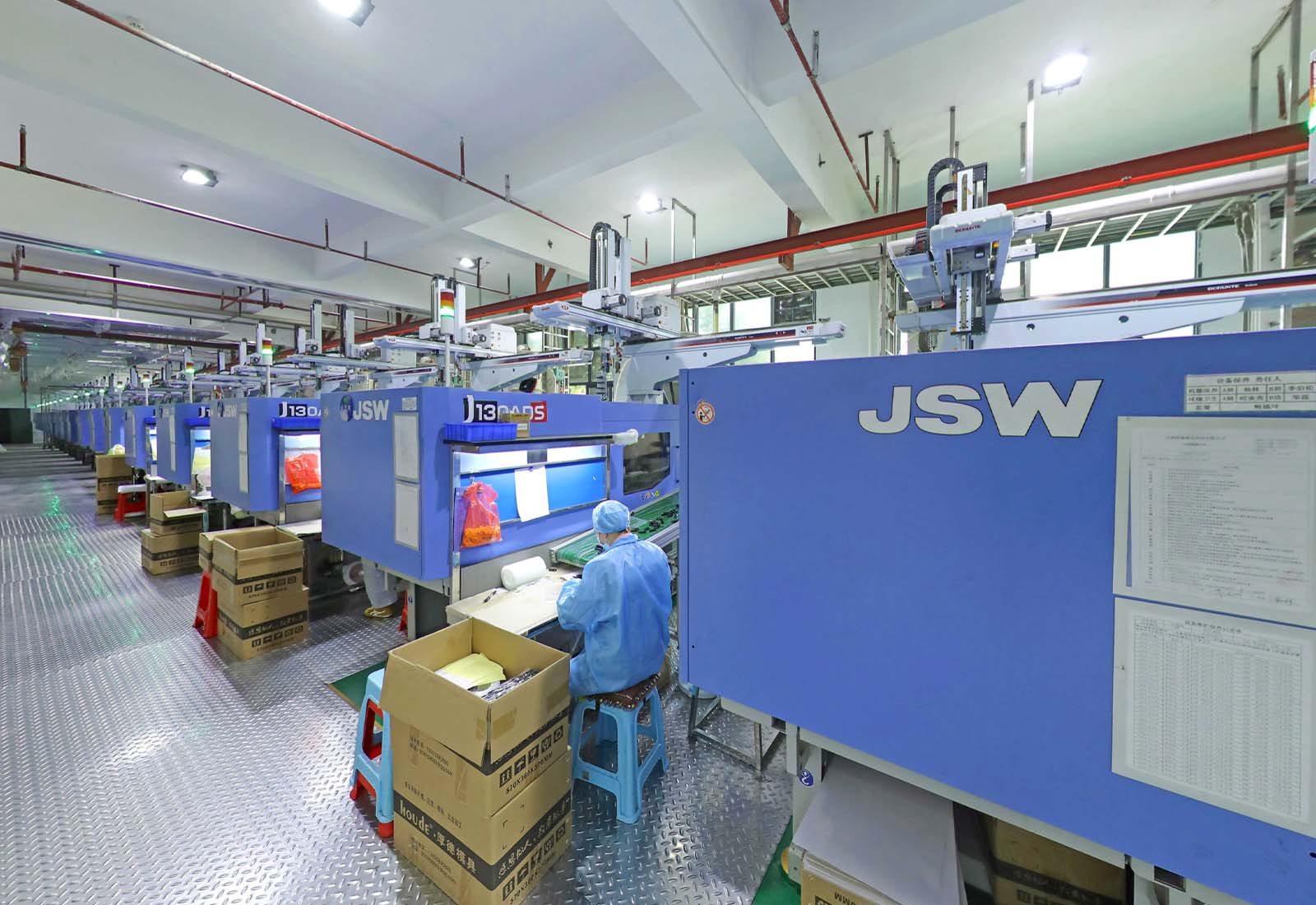
One of the most significant advantages of high volume precision injection molding is the cost efficiency it offers. As production volumes increase, the cost per part decreases due to economies of scale. The upfront costs for tooling and mold development can be substantial, but when production reaches large volumes, these costs are amortized over the many units produced, reducing the cost per unit. This makes it an ideal solution for automotive manufacturers looking to mass-produce high-quality parts at a competitive price.
The high precision of injection molding is crucial for automotive parts that must fit together with near-perfect accuracy. High-volume precision injection molding can achieve tolerances of ±0.01mm, ensuring that each part produced is identical to the next. This consistency is essential in automotive manufacturing, where even the smallest deviation can lead to system failures or safety hazards. The process guarantees high repeatability, allowing manufacturers to produce parts that fit seamlessly into complex assemblies.
Another advantage of high-volume precision injection molding is its ability to work with a wide range of materials. Automotive components often require materials that are not only durable but also resistant to heat, chemicals, and physical stress. Materials like ABS, Nylon, and glass-filled resins are commonly used in high-volume molding due to their exceptional strength, impact resistance, and dimensional stability. These materials ensure that automotive parts perform well under extreme conditions, such as high temperatures or exposure to harsh chemicals, making them ideal for under-the-hood components.
High volume precision injection molding is widely used to produce various interior components in vehicles. These include dashboard panels, center consoles, door trims, and air vent assemblies. These parts require precise molding to ensure proper fit and finish, as well as functionality in terms of safety and ergonomics. The ability to produce complex geometries with a high degree of precision makes this process essential for automotive interiors, where aesthetics and user experience are critical.
The process also plays a vital role in producing exterior automotive components, including bumpers, mirror housings, and headlight and taillight housings. These parts not only need to be durable but also must meet stringent aesthetic standards. High-volume precision injection molding enables the production of parts with consistent surface finishes and dimensional accuracy, ensuring that they fit perfectly and perform reliably, even in challenging environmental conditions.
Under-the-hood parts such as engine covers, battery trays, fluid reservoirs, and pump housings are critical components that require high precision and durability. These parts often have to withstand high temperatures, exposure to chemicals, and mechanical stress. The ability to mold these components with the right materials, such as glass-filled nylons or high-temperature thermoplastics, ensures that they maintain their strength and performance under harsh conditions. High-volume precision molding helps meet these tough requirements efficiently.
The tooling used in high-volume precision injection molding is crucial to the success of the process. To ensure consistent, high-quality parts, molds are typically made from hardened steel, which can withstand the high pressures and temperatures associated with the molding process. These molds are designed to endure millions of cycles without compromising part quality, which is essential for automotive manufacturing, where reliability is paramount.
Tooling design plays a vital role in the efficiency and effectiveness of high-volume precision injection molding. Designers must carefully plan the mold’s geometry, ensuring that factors like gate placement, flow paths, and cooling channels are optimized for uniform material distribution. The use of advanced simulation tools during the design phase helps identify potential issues and optimize the mold design, which ultimately reduces defects and cycle times during production.
High-volume precision injection molding requires durable and high-precision molds to ensure long-term production stability. The initial cost for molds is high, but as production cycles increase, the cost per unit decreases. Maintenance is also a key factor in ensuring long-term, high-efficiency production. The following table outlines the cost structure, maintenance requirements, and common technical specifications for high-volume precision injection molding molds.
| Cost Category | Description | Technical Requirements | Maintenance Requirements | Notes |
|---|---|---|---|---|
| Initial Mold Cost | High initial investment, typically made of durable steel materials that can support millions of injection cycles. | Mold Material: Hardened Steel, P20 Steel, NAK80 Steel | Precision design to ensure accurate initial production | High upfront cost but amortized over long production runs. |
| Mold Lifespan | Molds need to withstand high pressure and high temperature while maintaining consistency and accuracy. | High-strength steel materials, designed to endure high pressures and temperatures | Regular checks, repairs to prevent accuracy loss | Mold lifespan depends on materials and working conditions. |
| Maintenance & Care | Regular maintenance and calibration are necessary to maintain production consistency and reduce downtime. | Mold cleaning, lubrication, wear inspections | Routine part replacements, optimized cooling and runner system designs | Proper maintenance minimizes downtime and keeps molds performing at optimal levels. |
Tip: Regular mold maintenance not only reduces downtime and failures but also extends mold life, ensuring consistent high-quality parts throughout the production cycle.
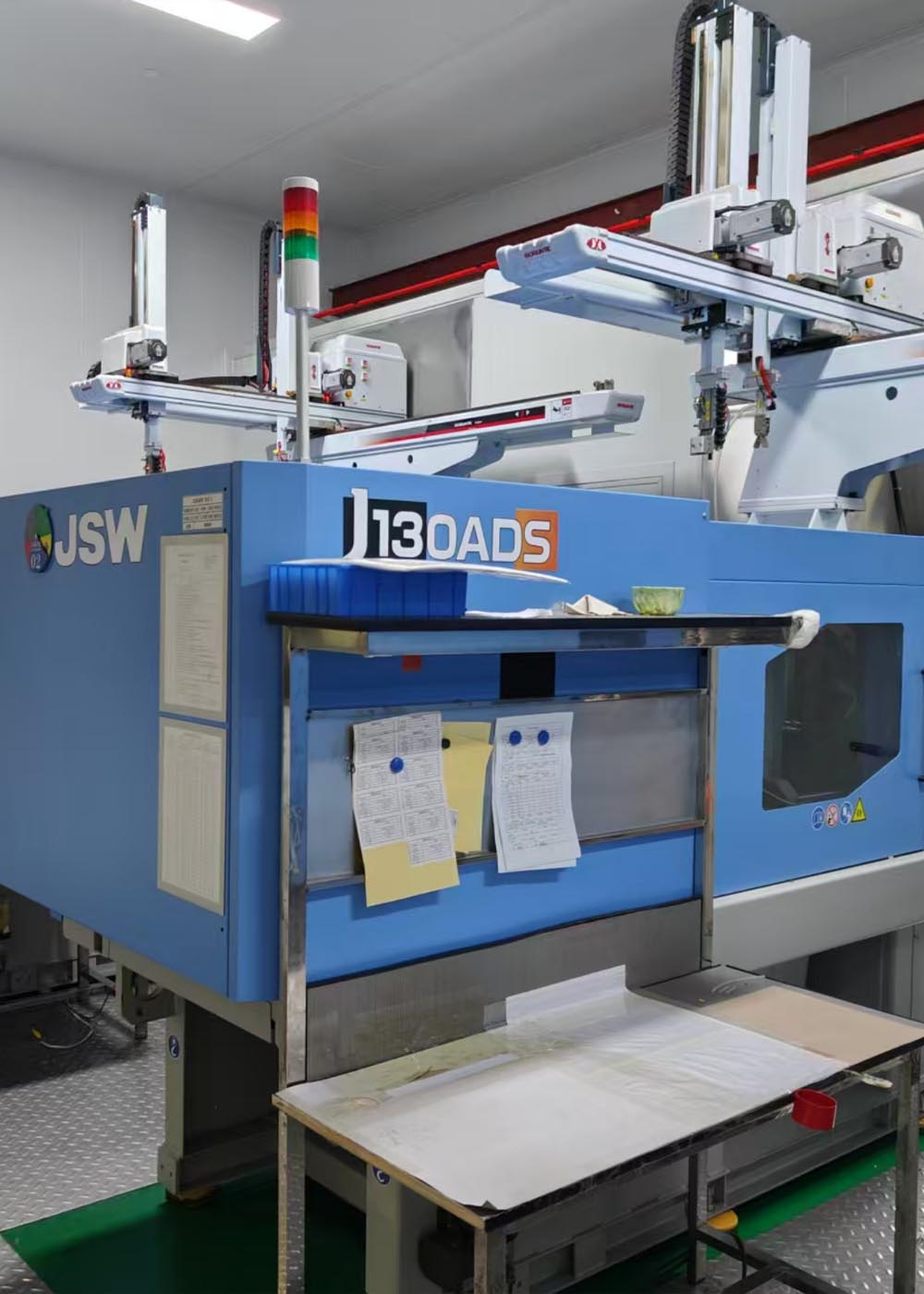
Automation plays a key role in high-volume precision injection molding. The process is highly automated, with robots handling material transport, part removal, and quality inspection. Automated systems ensure that each part is consistently molded and that any defects are detected early in the process. This reduces human error and increases production speed, allowing manufacturers to meet the high demands of automotive production efficiently.
Quality control is a critical aspect of high-volume precision injection molding. Automation enables real-time monitoring of key parameters, such as temperature, pressure, and material flow, to ensure that the parts meet stringent quality standards. Machine vision systems are often used to inspect parts during production, identifying defects such as surface imperfections or dimensional deviations. This automated quality control helps maintain consistency and reduces the need for manual inspection, improving overall efficiency.
By reducing human involvement in the molding process, automation minimizes the potential for errors and improves production speed. Automated systems can operate continuously, ensuring that production runs smoothly without interruptions. This is especially important in high-volume production, where even minor delays or defects can lead to significant losses. The use of robotics and automation also allows for faster turnaround times, enabling manufacturers to meet tight deadlines and high production demands.
One of the key trends in high-volume precision injection molding is the ongoing development of advanced materials. Automotive manufacturers are increasingly turning to high-performance polymers and composites to meet the growing demands for lightweight, durable, and heat-resistant components. Materials such as glass-filled nylons, PEEK, and LCP offer superior strength and thermal stability, making them ideal for automotive parts that need to perform under harsh conditions.
The integration of Industry 4.0 technologies is revolutionizing the precision injection molding process. With the use of AI, machine learning, and data analytics, manufacturers can optimize production processes in real-time, improving efficiency and reducing waste. Predictive maintenance systems can also be used to anticipate equipment failures before they occur, minimizing downtime and ensuring continuous production. This integration of smart technologies helps manufacturers stay competitive and meet the evolving needs of the automotive industry.
Sustainability is becoming an increasingly important factor in automotive manufacturing. High-volume precision injection molding processes are evolving to meet the demands for eco-friendly production methods. Manufacturers are exploring the use of recycled and bio-based materials, as well as implementing energy-efficient processes. By adopting sustainable practices, the automotive industry can reduce its environmental impact while maintaining high levels of efficiency and product quality.
When selecting a partner for high-volume precision injection molding, it is essential to assess their capabilities, experience in the automotive industry, and compliance with industry standards like IATF 16949. The following table highlights the key factors to consider when choosing a reliable partner, ensuring they can meet your quality and efficiency requirements.
| Factor | Description | Technical Specifications | Applications | Considerations |
|---|---|---|---|---|
| Experience in Automotive Industry | Choose a partner with extensive experience in automotive manufacturing, as this ensures they understand the industry’s rigorous demands. | Proven track record with automotive OEMs, Tier 1 suppliers. | Automotive components such as interior trim, engine parts, and exterior housings. | Ensure they have past experience with mass production and complex automotive parts. |
| IATF 16949 Certification | IATF 16949 certification ensures that the partner meets global automotive quality standards. | Compliance with IATF 16949 for quality management systems. | Automotive manufacturing processes requiring strict adherence to quality. | Verify that the partner maintains this certification consistently and has audit results available. |
| Production Capacity | The partner should have the necessary infrastructure to handle high-volume production efficiently. | Capability to produce 100,000+ parts annually with the capacity to scale. | Suitable for automotive manufacturers with large production runs. | Confirm that they can meet your production demands without compromising quality or timelines. |
| Material Expertise | Ensure the partner has experience with automotive-grade materials that meet performance and durability standards. | Expertise with thermoplastics like ABS, PP, PA, and composite materials. | Components requiring high impact strength, heat resistance, and chemical resistance. | Check that the partner can work with the required materials and handle material-specific challenges. |
| Quality Control Systems | A reliable partner must have robust quality control processes in place to ensure every part meets the required specifications. | In-process monitoring, machine vision systems, and real-time quality control. | Automotive parts that require high precision and repeatability, like dashboards and engine covers. | Evaluate their quality inspection processes and their ability to track part specifications over time. |
Assessing a supplier's production capabilities and lead times is crucial to ensuring that they can meet your demand for high-volume parts. It is important to understand their capacity for scaling production and whether they can handle fluctuations in demand. A supplier with advanced automation and quality control systems will be able to deliver parts quickly and consistently, minimizing delays in your production schedule.
Collaborating with your supplier early in the design process is essential to ensuring that your parts are optimized for injection molding. A good supplier will work with you to refine your designs, taking into account factors like material flow, wall thickness, and moldability. This collaboration helps prevent costly rework and ensures that the parts are produced efficiently and meet all performance requirements.
High-volume precision injection molding is critical for automotive manufacturers aiming to produce high-quality parts in large volumes. The process offers exceptional benefits, including cost efficiency, precision, and material versatility, making it an ideal choice for automotive production. HOUDEMOLD provides tailored solutions that ensure parts meet the highest performance and durability standards. By focusing on precision and efficiency, HOUDEMOLD helps manufacturers optimize production while maintaining consistent quality and safety. With continued advancements in material science and automation, high-volume precision injection molding will continue to drive the automotive industry forward.
A: High-volume precision injection molding is a manufacturing process used to produce large quantities of automotive parts with tight dimensional tolerances. This process utilizes precision molds and advanced machinery to ensure high efficiency, consistency, and quality in each part produced.
A: Precision injection molding ensures that automotive parts meet strict quality standards by achieving tight tolerances and uniformity. It helps reduce production costs and cycle times, making it ideal for mass production of components such as dashboards, bumpers, and engine parts.
A: Automation plays a crucial role in reducing human error and increasing production speed. It allows for faster cycle times and real-time quality control, ensuring consistent, high-quality automotive parts in large quantities.
A: By increasing production volume and utilizing economies of scale, precision injection molding lowers the cost per part. The initial tooling investment is offset by large production runs, making it a cost-effective solution for mass-producing high-quality automotive components.
A: Common materials used in precision injection molding for automotive parts include ABS, Nylon, glass-filled resins, and high-performance thermoplastics. These materials offer strength, heat resistance, and chemical stability, making them suitable for various automotive applications.