
Views: 0 Author: Site Editor Publish Time: 2026-02-03 Origin: Site

In 2026, Precision Injection Molding has become a cornerstone of manufacturing in industries like automotive, medical devices, and consumer electronics. This process allows for high-volume production of parts with tight tolerances, essential in producing high-precision components like medical device parts or automotive components. In this article, we will explore the factors driving the cost of precision injection molding, focusing on tooling and per-part production. Understanding these pricing components will help businesses make better investment decisions.
The cost of precision injection molding is significantly influenced by the choice of tooling and mold design. Molds can be classified into simple molds used for lower-volume production and complex, multi-cavity molds used for high-volume runs. The complexity of the mold affects both the initial investment and long-term operational costs. Below is a detailed comparison of simple molds and multi-cavity molds, showing their costs, applications, and technical specifications to help businesses choose the most suitable option based on their production needs.
| Aspect | Simple Mold | Complex Multi-Cavity Mold |
|---|---|---|
| Cost | $1,000 - $5,000 | $10,000 - $100,000+ |
| Production Volume | Ideal for low-volume production (up to 1,000 parts) | Best for high-volume production (10,000+ parts) |
| Tooling Complexity | Low to medium complexity | High complexity with multiple moving parts |
| Lifespan | 5,000 - 10,000 cycles | 100,000 - 1,000,000 cycles |
| Material | Aluminum (more cost-effective, faster to produce) | Steel (hardened for durability) |
| Surface Finish | Rougher finish, suitable for internal parts | High-polish finish for visible or aesthetic parts |
| Cooling Efficiency | Basic cooling channels | Advanced cooling channels for faster cycle times |
| Best Use Case | Prototyping, short production runs | Mass production, precision parts (automotive, medical devices) |
| Lead Time | 1 - 3 weeks | 4 - 8 weeks |
Tip: For short-run or prototype production, simple molds are cost-effective. For long-term, high-volume production, investing in multi-cavity molds offers better efficiency and lower per-part cost over time.
Material selection is another critical factor that impacts the cost of precision injection molding. The type of plastic used directly affects not only the material cost but also the tooling and production processes. Commodity plastics like PP (Polypropylene) and PE (Polyethylene) are relatively inexpensive, costing around $1.2–$1.8 per kilogram, whereas engineering plastics like PC (Polycarbonate), PEEK (Polyetheretherketone), and PEI (Polyetherimide) can cost upwards of $10 per kilogram.
For applications requiring higher performance, such as in medical devices or automotive components, these high-performance materials are often necessary. However, their higher material costs must be balanced against the enhanced properties, such as heat resistance, chemical stability, and mechanical strength, that these plastics provide.
Precision injection molding is defined by its ability to produce parts with extremely tight tolerances. Parts requiring tight tolerances—as low as ±0.002mm—necessitate high-grade tools and advanced machining techniques, significantly increasing costs. For instance, parts that require extremely high precision, like those used in medical device molding or consumer electronics, must be produced with greater attention to detail, which increases tooling complexity and testing expenses.
The cost of precision also depends on the final part's geometry and size. Parts with intricate features, such as undercuts, internal threads, or complex geometries, will require special tooling to ensure that they can be demolded correctly. These specialized features increase production costs because they require additional mold features, such as sliders and lifters, which add to the overall price.
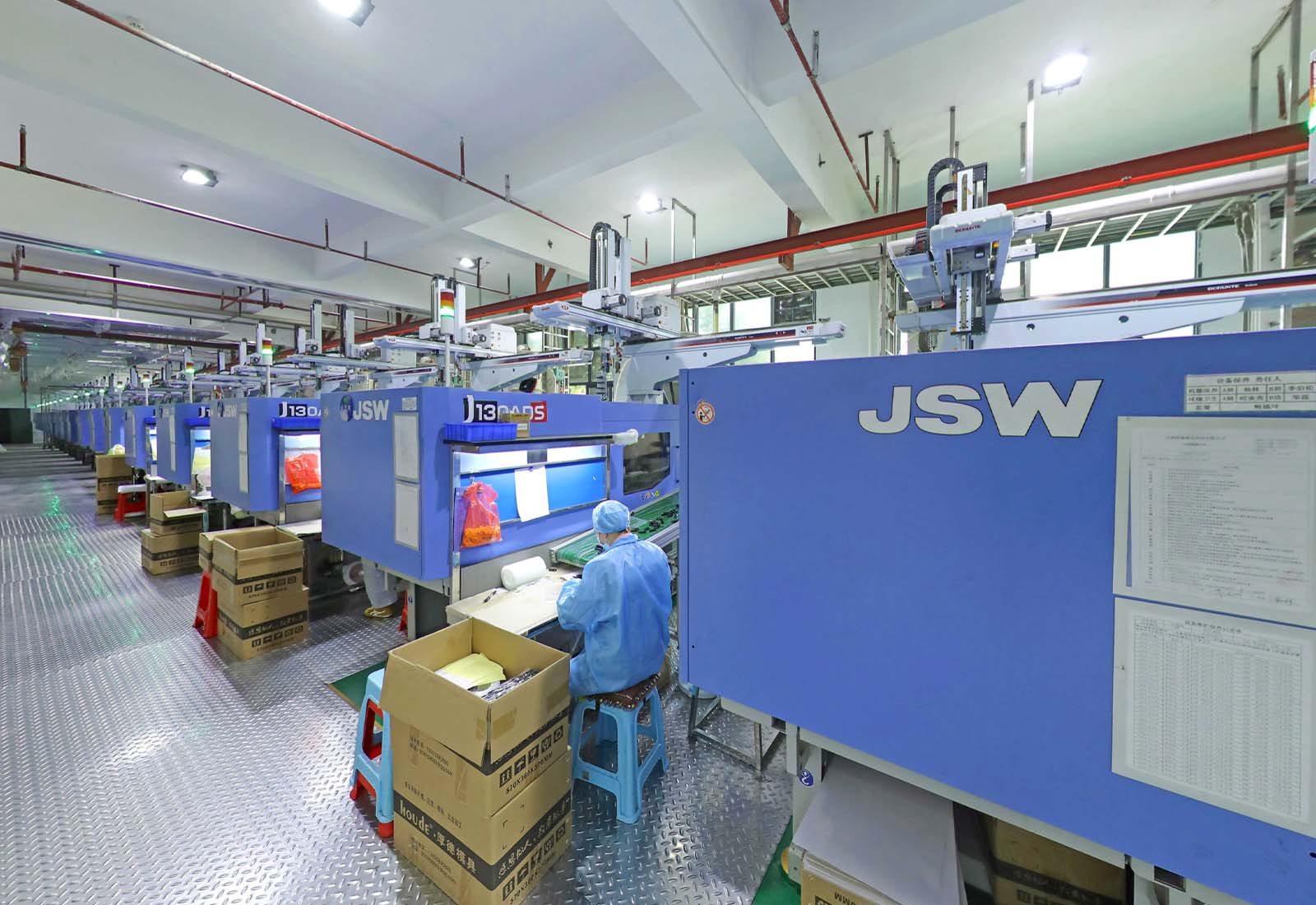
For low-volume production, such as prototyping or market testing, the cost per part can be high. This is because the mold is a fixed cost, and fewer parts result in the tooling cost being spread over a smaller number of parts. 3D-printed molds or aluminum molds are typically used for such runs, which offer lower initial costs but are not suitable for long-term, high-volume production. 3D printing offers a cost-effective way to produce small batches, enabling businesses to test designs before committing to more expensive tooling.
For instance, a prototype mold made using 3D printing can cost as little as $100, and the per-part production cost may range from $3 to $5, depending on the complexity of the part and the material used. This is ideal for producing fewer than 500 parts, as it allows rapid design validation and iteration.
In mid-volume production, aluminum molds or machined aluminum molds are commonly used. These molds cost more than 3D-printed molds but offer a balance between cost and durability. This option is ideal for runs of 1,000 to 5,000 parts, where the cost per part starts to decrease, but the mold remains relatively affordable. As the production scale increases, the price per part continues to fall due to the amortization of the tooling costs over a larger batch.
The advantage of multi-cavity molds becomes evident here. By producing more than one part per cycle, multi-cavity molds lower the overall cost per unit, making it an attractive option for medium-sized production runs.
When transitioning to high-volume production, hardened steel molds are generally required. These molds are capable of withstanding millions of cycles, ensuring consistent quality and precision over long production runs. The upfront costs of these molds can be as high as $100,000, but when amortized over a large volume—often in the tens or hundreds of thousands of parts—the per-part cost can drop significantly, sometimes as low as $0.50 to $1 per part.
For example, producing 100,000 parts with a mold costing $30,000 results in a mold amortization cost of $0.30 per part, dramatically reducing the overall cost per unit. This makes high-volume production the most cost-efficient for precision injection molding, particularly for industries like automotive or consumer electronics where large quantities are needed.
The choice between aluminum and steel molds is crucial when determining precision injection molding costs. To help understand the differences, the following table breaks down key aspects of both mold materials, comparing their applications, advantages, technical specifications, and best-use cases.
| Aspect | Aluminum Molds | Steel Molds |
|---|---|---|
| Cost | $1,000 - $5,000 | $10,000 - $100,000+ |
| Production Volume | Ideal for low to mid-volume production (1 - 10,000 units) | Best for high-volume production (10,000+ units) |
| Lifespan | 5,000 - 50,000 cycles | 100,000 - 1,000,000+ cycles |
| Material | Aluminum (Al) | Steel (H13, P20, S7, etc.) |
| Production Speed | Faster lead time (1-3 weeks) | Slower lead time (4-8 weeks) |
| Tooling Complexity | Simple to moderate complexity, ideal for prototypes | High complexity, able to handle intricate parts |
| Durability | Lower durability, suitable for short runs | High durability, designed for long-term, repetitive use |
| Surface Finish | Rougher finish, not ideal for high-visibility parts | Superior finish, suitable for precision parts |
| Ideal Applications | Prototyping, market testing, medical device molding | High-volume production for automotive components, consumer electronics |
| Heat Resistance | Lower heat resistance | High heat resistance, ideal for high-temperature materials |
| Maintenance Requirements | Lower maintenance, faster repairs | Higher maintenance due to wear over time |
| Lead Time | 1 - 3 weeks | 4 - 8 weeks |
Tip: For low-volume production and rapid prototyping, aluminum molds are the most cost-effective option, while steel molds are more suited for high-volume production requiring long-term durability and precision.
The grade of steel used for the mold also impacts the overall cost. For molds intended for high-volume runs, hardened steel, such as H13 or P20, is often necessary to handle the high stresses and temperatures associated with large-scale production. These steels are much more expensive but provide the strength and longevity needed for precision injection molding.
Choosing the right steel grade will depend on the required production volume and part complexity. H13 steel, for instance, is highly durable and can withstand extreme temperatures, making it ideal for parts used in high-performance industries such as aerospace and medical devices.
When selecting the best material for a mold, it’s essential to match the material to the intended production volume and part requirements. Aluminum molds are ideal for prototyping and low-volume production runs, while steel molds are better suited for high-volume production where mold durability and precision are crucial. Consideration of factors like mold life expectancy and material costs will also help in making an informed decision.
Design for Manufacturability (DFM) is a process that focuses on optimizing part designs to minimize manufacturing costs. By working closely with engineers during the design phase, businesses can identify potential cost-saving opportunities early on. For example, simplifying part features, such as reducing undercuts or maintaining uniform wall thickness, can significantly reduce mold complexity and production costs.
DFM aims to eliminate costly features that complicate the molding process, such as deep ribs or complex geometries that require specialized tooling. These simplifications help reduce the overall cost of precision injection molding, particularly in industries like consumer electronics where cost-efficiency is key.
Using multi-cavity molds is one of the most effective ways to reduce the cost per part, especially in high-volume production. Multi-cavity molds allow multiple parts to be produced in a single cycle, which reduces the number of cycles needed for production and, consequently, lowers the cost per unit. However, multi-cavity molds also come with increased initial tooling costs, so they are most cost-effective when the production volume is high enough to amortize the tool cost.
For example, producing 5,000 units with a two-cavity mold will cut the cost per part compared to using a single-cavity mold. As production volumes increase, the cost savings become more significant, making multi-cavity molds the optimal choice for mass production.
The surface finish of a part can significantly impact mold cost. Parts that require a high-polish finish, such as those used in consumer electronics or automotive components, will require additional polishing and finishing steps, which adds to the cost. In contrast, standard finishes for less visible parts can be achieved at a much lower cost.
When deciding on the surface finish, it’s important to weigh the tradeoff between aesthetics and functionality. For example, a mirror-like finish may be necessary for parts seen by consumers, but it can dramatically increase mold production time and cost. Simplifying the surface finish for parts that won’t be seen can save money without sacrificing part quality.
In 2026, tariffs and import taxes on molds and parts are a significant factor affecting precision injection molding costs. The U.S. tariffs on Chinese imports, for instance, can increase the overall cost of sourcing molds and parts from overseas. These tariffs, ranging from 10% to 25%, can lead to higher prices for molds manufactured in China or other countries with lower labor costs.
Importantly, while offshore manufacturing may offer initial cost savings, businesses must factor in the long-term costs of these tariffs and the complex logistics of overseas manufacturing. Companies must weigh the pros and cons of offshore vs. domestic mold making to make the best decision for their production needs.
Offshore mold production, particularly in countries like China, is often seen as a way to reduce upfront costs due to cheaper labor and material costs. However, businesses must also consider factors such as shipping costs, communication barriers, and quality control when sourcing molds from overseas. In some cases, domestic manufacturing may offer a better balance between cost and quality, particularly for high-precision parts that require strict standards.
For high-volume production, domestic mold making may be more cost-effective in the long run due to lower tariffs and shorter lead times. Additionally, working with a trusted domestic manufacturer can ensure better quality control and quicker response times to any production issues.
Supply chain disruptions continue to affect molding costs in 2026. The COVID-19 pandemic, global shipping delays, and geopolitical tensions have all contributed to higher raw material costs and delays in mold delivery. These factors have made it increasingly difficult to predict costs and lead times, especially when relying on international suppliers for precision injection molding.
Businesses must be proactive in managing their supply chains by building strong relationships with reliable suppliers and considering alternative sourcing options to avoid costly delays.
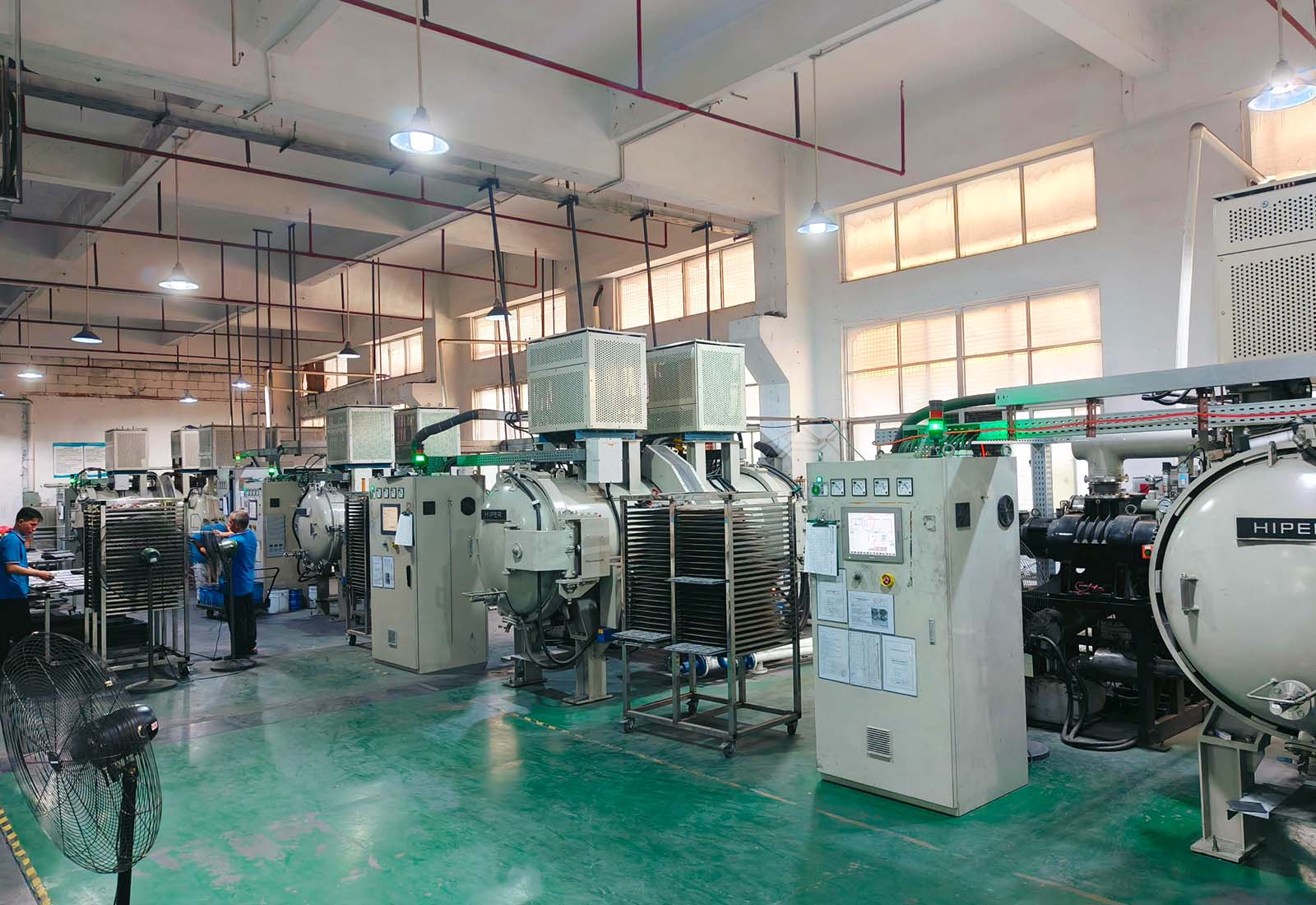
As the manufacturing industry moves toward smart manufacturing, automation plays a crucial role in reducing scrap rates, improving cycle times, and lowering overall production costs. The integration of AI-driven sensors, predictive maintenance, and data analytics can help optimize the production process, ensuring consistent quality and reducing material waste.
Smart manufacturing technologies can help reduce precision molding costs by enabling faster cycle times, which directly impacts per-part production costs. Additionally, AI sensors can improve quality control by identifying potential defects before they become major issues, saving time and reducing waste.
Incorporating advanced technologies like 3D printing for prototype molds or automated mold monitoring can help manufacturers optimize costs and improve production efficiency. By integrating AI sensors and predictive analytics into the molding process, manufacturers can identify inefficiencies and adjust their production methods in real-time.
For example, smart molds equipped with sensors can provide real-time data on temperature and pressure, allowing manufacturers to optimize the molding process for better results and lower costs. These advancements make precision injection molding more cost-efficient, especially for high-precision industries like medical devices and automotive components.
Materials innovation continues to be a driving force in precision injection molding, especially as new materials like bio-based plastics and high-performance polymers such as PEEK and PEI emerge. These materials offer significant improvements in mechanical strength, chemical resistance, and heat resistance, making them ideal for high-performance applications. The following table compares these materials based on their cost, properties, applications, and potential for reducing long-term costs due to their durability and performance.
| Material | Cost per kg | Mechanical Strength | Heat Resistance | Chemical Resistance | Typical Applications | Best Use Cases |
|---|---|---|---|---|---|---|
| PEEK (Polyetheretherketone) | $50 - $100+ | High tensile strength (90-100 MPa) | Continuous service temperature: 260°C | Excellent resistance to chemicals and solvents | Aerospace, medical devices, automotive components | Medical implants, aerospace parts, industrial applications |
| PEI (Polyetherimide) | $40 - $80 | High tensile strength (70-90 MPa) | Continuous service temperature: 170°C | Good resistance to acids, bases, and alcohols | Automotive, medical devices, consumer electronics | High-performance automotive, medical devices, electronic housings |
| Bio-based Plastics (PLA, PHA) | $1.5 - $5 | Moderate tensile strength (40-70 MPa) | Lower heat resistance (up to 120°C) | Moderate resistance to chemicals | Packaging, consumer goods, disposable products | Sustainable packaging, eco-friendly consumer goods, low-performance applications |
| Nylon (PA) | $2 - $6 | Moderate tensile strength (60-90 MPa) | Moderate heat resistance (up to 150°C) | Resistant to oils and greases | Automotive components, industrial parts | Bearings, gears, electrical insulation, consumer goods |
| Polycarbonate (PC) | $3 - $8 | High tensile strength (60-80 MPa) | Continuous service temperature: 120°C | Good resistance to mild acids, alcohols, and oils | Electronics, automotive, lighting, medical devices | Impact-resistant parts, electronic housings, automotive lenses |
Tip: PEEK and PEI are high-cost materials but provide long-term savings in applications requiring superior mechanical properties and high heat resistance. As production processes evolve, their prices are expected to decrease, making them more accessible for high-performance applications.
In 2026, precision injection molding continues to evolve as a crucial manufacturing process for industries like automotive, medical devices, and consumer electronics. The cost factors driving this process—such as tooling complexity, material selection, and production volume—require careful consideration to optimize efficiency and maximize returns. Companies like HOUDEMOLD offer specialized solutions to address these cost drivers, providing durable molds and high-performance materials that support high-volume production with superior precision. By choosing the right partners and leveraging advanced manufacturing technologies, businesses can maximize their return on investment while staying competitive in the ever-changing market.
A: Precision Injection Molding is a manufacturing process used to produce high-precision parts with tight tolerances, commonly used in industries like automotive, medical devices, and consumer electronics.
A: The main factors affecting Precision Injection Molding costs include tooling (mold creation), material selection, production volume, and the required precision or tolerance of the final product.
A: Tooling is one of the largest cost drivers in Precision Injection Molding. The complexity of the mold design, such as multi-cavity or intricate features, increases tooling costs significantly.
A: The type of material used in Precision Injection Molding affects both the cost of production and the part's properties, such as strength, heat resistance, and chemical stability.
A: For low-volume production, costs are higher due to tooling being a fixed expense. However, high-volume production leads to lower per-part costs as tooling expenses are amortized over a larger number of parts.
A: Multi-cavity molds reduce per-part costs by producing multiple parts in a single cycle, making them ideal for high-volume production and improving overall cost-efficiency.