Introduction
Injection molding is essential in many industries for creating complex plastic parts. But how do you choose the right molding method? Precision injection molding and standard molding both have distinct advantages, but which one is best for your product? In this article, we will explore the key differences between precision injection molding and standard molding. You’ll learn how each method impacts accuracy, cost, material selection, and production speed. By the end, you’ll know which process suits your manufacturing needs.
Precision Injection Molding: An In-Depth Look
Tolerances and Dimensional Accuracy
In industries that prioritize precision, achieving accurate dimensional tolerances is critical. Precision injection molding excels in this aspect by ensuring extremely tight tolerances, making it suitable for high-performance parts. On the other hand, standard injection molding focuses more on production efficiency and cost-effectiveness, with looser tolerance requirements. The following table compares the specific tolerances and accuracy levels of both methods, helping manufacturers choose the right molding process based on their needs.
| Molding Type | Tolerance Range | Applicable Range | Accuracy Requirement | Materials Used | Application Examples |
| Precision Injection Molding | ±0.01 mm to ±0.001 mm | High-precision components | Micron-level accuracy | PEEK, Torlon, Ultem | Medical devices, aerospace, electronic connectors |
| Standard Injection Molding | ±0.1 mm or greater | Everyday consumer goods | Standard accuracy | ABS, PP, PE | Packaging, household items, automotive parts |
Tip: When selecting an injection molding process, always evaluate the precision requirements of your product. If tight tolerances are essential, precision injection molding is the best choice.
Material Selection
The material used in precision injection molding plays a crucial role in achieving the desired product characteristics. High-performance materials like PEEK (Polyether Ether Ketone), Torlon (Polyamide-imide), and Ultem (Polyetherimide) are often selected for their superior thermal, chemical, and mechanical properties. These materials are engineered to maintain stability under extreme conditions, ensuring that parts retain their dimensional accuracy even under stress or exposure to high temperatures. For example, PEEK is commonly used in aerospace components due to its high strength and heat resistance, while Torlon is ideal for automotive components that require high load-bearing capacity.
Machinery and Process Control
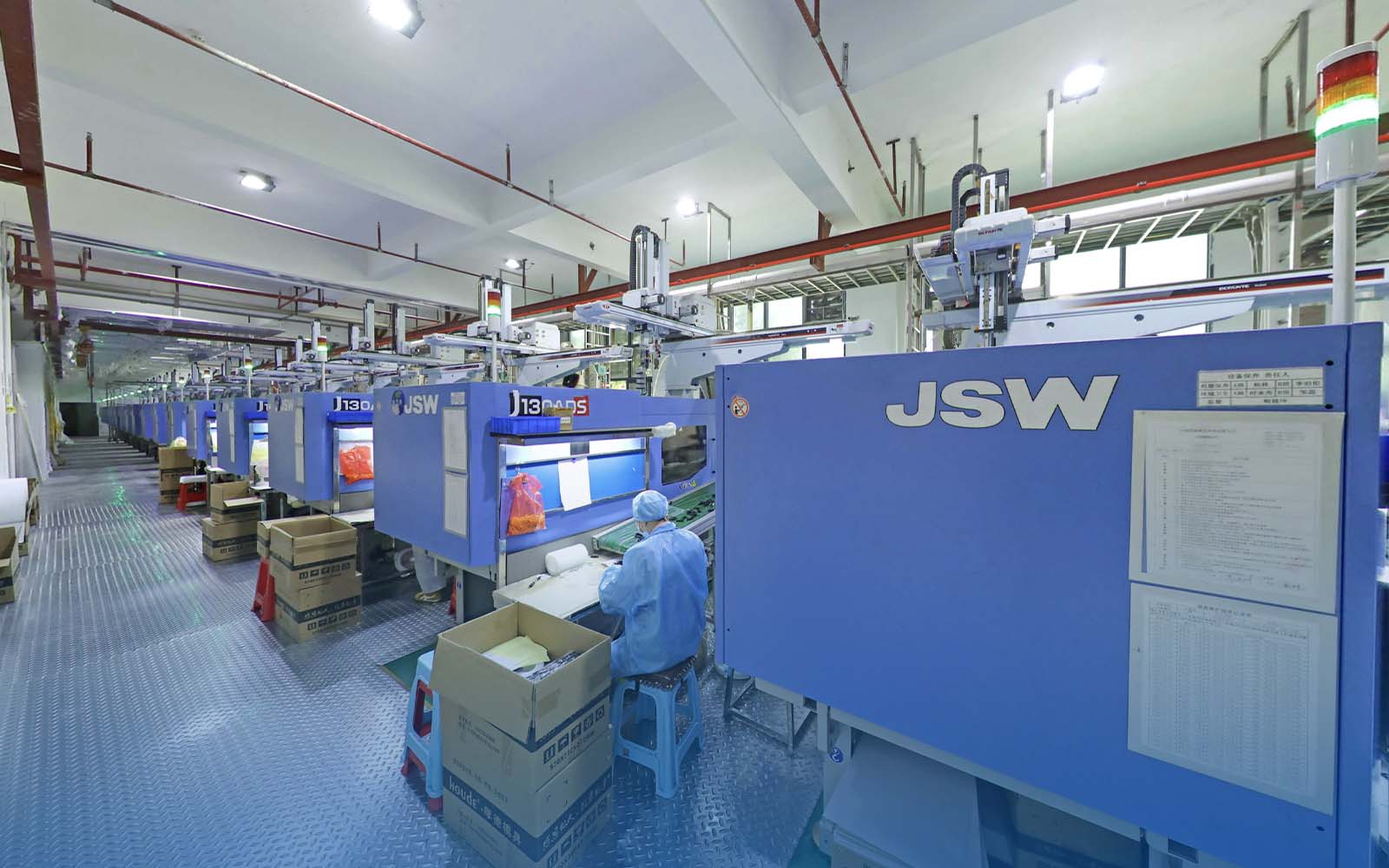
Precision molding requires advanced machinery equipped with real-time monitoring systems and closed-loop controls that regulate injection pressure, speed, and temperature. This level of control ensures that the molding process remains consistent and precise, even across multiple production cycles. All-electric injection molding machines are commonly used in precision molding because they offer greater control and repeatability compared to their hydraulic counterparts. These machines enable manufacturers to adjust parameters to micron-level precision, which is critical for producing parts like electronic connectors, where even minor fluctuations in the process can result in defects.
Standard Injection Molding: A Versatile Approach
Tolerances and Dimensional Accuracy
Standard injection molding, also known as conventional molding, typically operates within looser tolerances, often around ±0.1 mm or more. This makes it suitable for parts where exact dimensional accuracy is not as critical. Standard molding is ideal for consumer goods, packaging, and automotive parts where minor variations are acceptable. For example, components like plastic bottles, caps, or car dashboard parts can be produced efficiently using standard molding, where the focus is on speed and cost-effectiveness rather than tight tolerances.
Material Flexibility and Efficiency
One of the advantages of standard injection molding is its flexibility in terms of materials. It can accommodate a wide range of commodity plastics such as ABS, PP, and PE, which are less expensive and widely available. These materials are suitable for producing a variety of everyday products, including packaging and toys. Standard molding is designed for efficiency, with quick cycle times and low tooling costs, making it the go-to option for high-volume production runs. While the material selection may not offer the same performance benefits as high-grade engineering plastics, it provides significant cost savings for mass-produced items.
Cost-Effectiveness and Speed
Standard molding focuses on producing large quantities of parts quickly and at a lower cost. With faster cycle times and less complex machinery, it is the most cost-effective solution for mass production. Parts produced through standard molding are typically less intricate and more forgiving in terms of dimensional accuracy, which allows for faster manufacturing processes. This makes standard molding ideal for items like plastic containers, consumer electronics housings, and automotive interior components, where the production speed and cost per unit are critical factors.
Key Differences Between Precision Injection Molding and Standard Molding
Dimensional Accuracy and Tolerances
The primary distinction between precision and standard molding is the level of dimensional accuracy. Precision injection molding can achieve tolerances as tight as ±0.01 mm, making it suitable for high-performance components that require extreme accuracy. In contrast, standard molding typically operates with looser tolerances of ±0.1 mm or more, which is acceptable for less demanding applications where exact specifications are not critical.
Machine Performance and Control Systems
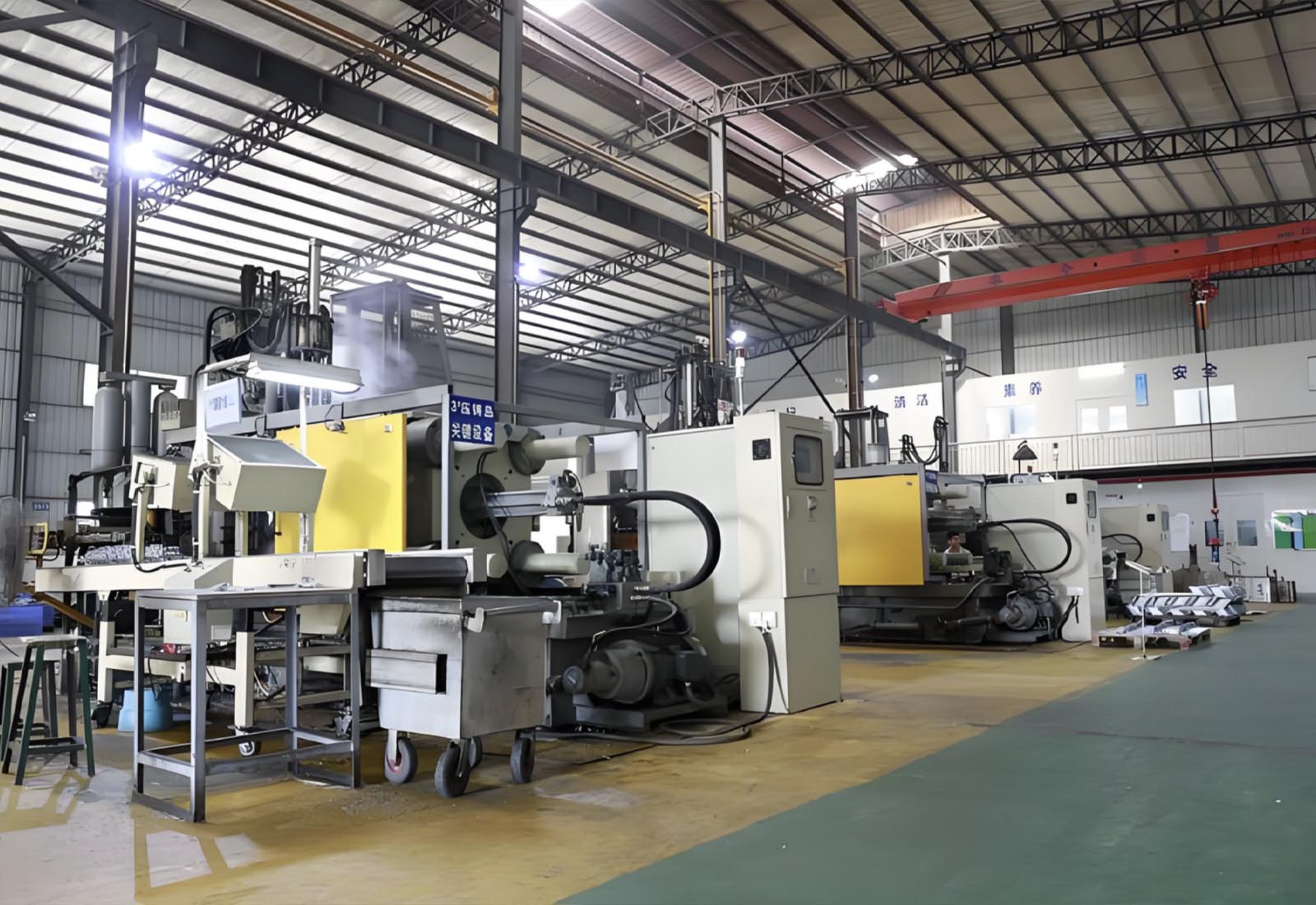
Precision injection molding requires all-electric machines equipped with advanced control systems that ensure consistency and repeatability in the molding process. These machines provide precise control over variables like injection speed, temperature, and pressure, enabling manufacturers to produce parts with tight tolerances. On the other hand, standard molding machines generally use hydraulic or open-loop systems, which are simpler and less expensive but offer lower precision and repeatability.
Mold Design and Quality
Mold design in precision injection molding is highly specialized, requiring advanced techniques such as 5-axis CNC machining and mirror EDM to achieve extremely tight tolerances. The molds used in precision molding are often made from high-grade, hardened tool steels, and feature advanced cooling systems to ensure uniform temperature distribution. In contrast, standard molds are typically simpler, made from pre-hardened steel, and are designed for high-volume, rapid production runs, with less emphasis on temperature control and precision.
When to Choose Precision Injection Molding
Applications Requiring High Precision
Precision injection molding is essential for industries where performance, reliability, and strict adherence to regulatory standards are paramount. Applications in medical devices, aerospace, and electronics demand high accuracy and material integrity. Components such as medical syringes, aerospace parts, and electronic connectors require molding processes that ensure dimensional stability and meet exacting standards. The following table highlights key industries and their requirements for precision molding, outlining technical specifications, material properties, and typical applications.
| Industry | Component Examples | Tolerance Requirements | Material Requirements | Performance Criteria | Regulatory Standards |
| Medical Devices | Syringes, implants, diagnostic tools | ±0.01 mm to ±0.001 mm | Biocompatible polymers (PEEK, Ultem) | High dimensional accuracy, chemical stability, sterilizability | FDA, ISO 13485 |
| Aerospace | Aircraft parts, turbine blades, fuel components | ±0.005 mm to ±0.001 mm | High-strength materials (PEEK, Torlon) | High strength-to-weight ratio, heat resistance, reliability under stress | FAA, AS9100 |
| Electronics | Connectors, micro gears, housings | ±0.01 mm to ±0.001 mm | Engineering-grade plastics (Ultem, PEEK) | Electrical conductivity, dimensional stability, precision fit | RoHS, CE |
Quality Control and Long-Term Stability
Precision injection molding is best suited for high-performance applications that require consistent quality over long production runs. For instance, components in the automotive industry, such as sensors or fuel system parts, must maintain high precision and reliability over the vehicle's lifetime. Precision molding ensures that these parts meet strict quality control standards and remain stable even after millions of production cycles.
Material and Performance Demands
Precision injection molding is essential when the end product needs to perform consistently under extreme conditions such as high heat, stress, or chemical exposure. Engineering-grade materials like PEEK, Ultem, and Torlon are selected for their superior mechanical properties and resistance to harsh environments. These materials are engineered to maintain their integrity and dimensional stability even in the most demanding applications. For example, PEEK’s high temperature resistance and chemical stability make it a top choice for aerospace components, where performance under extreme conditions is non-negotiable.
When to Choose Standard Injection Molding
Cost and Volume Considerations
Standard injection molding is especially beneficial for high-volume, low-cost production where precision is not the priority. In industries like packaging, consumer goods, and automotive interiors, the ability to produce large quantities quickly while keeping costs down is crucial. This process allows manufacturers to achieve economies of scale, making it cost-effective for mass-produced items. Its efficiency in reducing per-unit production cost makes it the go-to choice for high-volume, less precision-critical applications.
Simplicity in Design
Standard injection molding is well-suited for products with simple shapes and minimal complexity. For example, basic consumer products like plastic containers, packaging materials, or toy components benefit from the speed and simplicity of the process. Since these products don’t require intricate features, tight tolerances, or complex surfaces, the design and molding process can be streamlined, leading to faster production times and lower costs. This makes standard molding ideal for items that don't need to meet stringent performance criteria.
Flexibility in Materials and Speed
One of the standout features of standard injection molding is its flexibility in material selection and faster cycle times. It allows manufacturers to choose from a wide range of thermoplastics, including low-cost materials like ABS, PP, and PE, which can be molded into various forms quickly. This flexibility enables rapid prototyping and faster turnaround, making it ideal for products that require high-volume production within tight timelines. Industries such as consumer electronics and packaging rely on this flexibility for both speed and cost efficiency.
Cost Comparison: Precision vs. Standard Molding
Tooling and Initial Investment
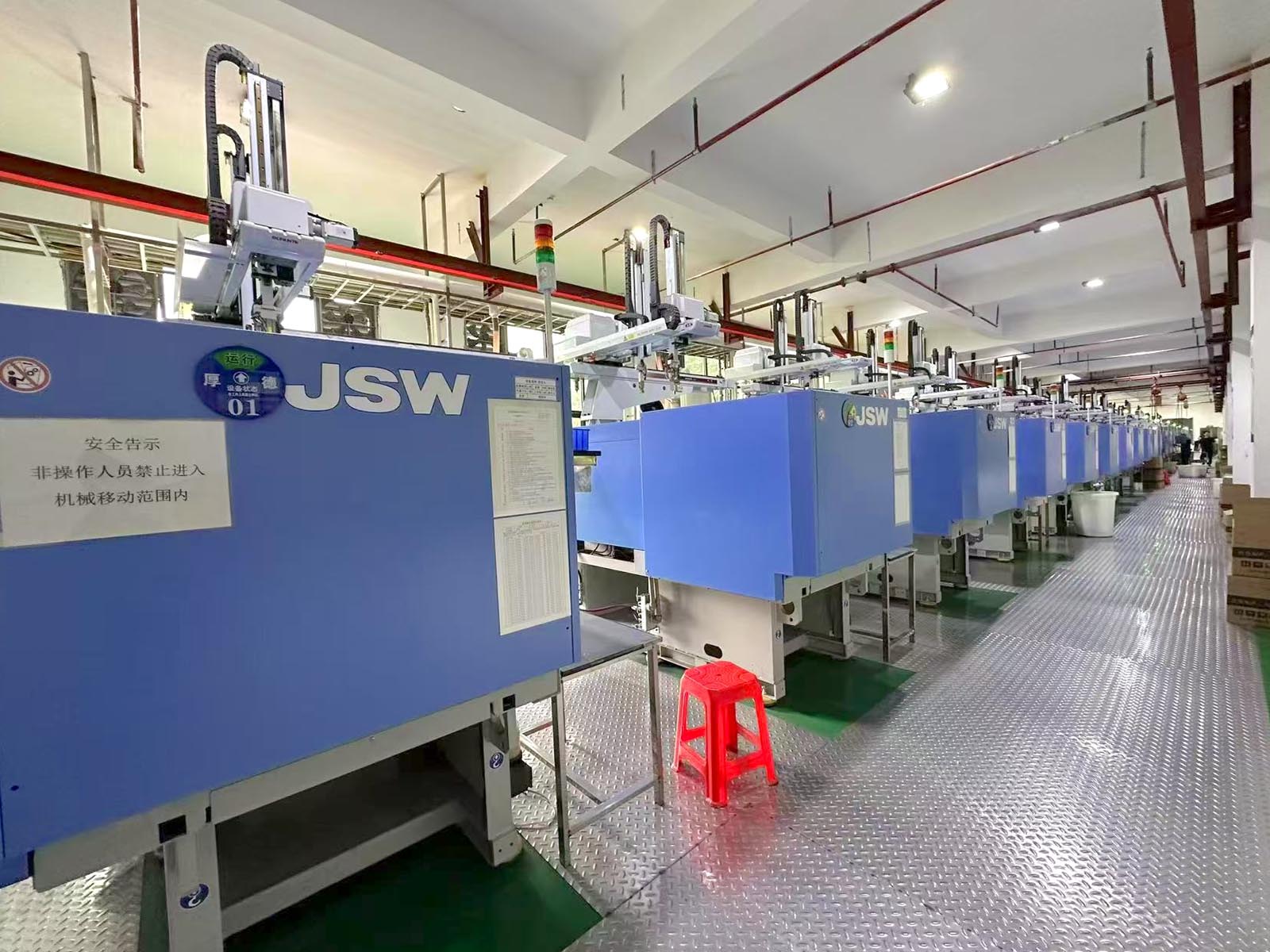
Precision molding requires higher upfront costs due to the use of specialized materials, advanced machinery, and intricate mold designs. The tooling costs for precision molds can be several times higher than those for standard molds. However, these higher initial investments are often justified by the long-term benefits of reduced defects and waste, as well as the ability to produce high-performance parts.
Production Costs per Part
Cost is an important factor when choosing an injection molding process. While precision molding has higher upfront costs, it provides higher long-term economic benefits due to reduced defects and waste. Standard molding, on the other hand, has lower production costs but can lead to higher defect rates and inconsistent quality in large batches. The following table demonstrates the cost differences between the two processes.
| Cost Type | Precision Injection Molding | Standard Injection Molding |
| Initial Investment | High (complex molds and equipment) | Low (simpler molds and equipment) |
| Cost per Unit Production | High (precise control reduces defects) | Low (high-volume, quick production) |
| Quality Control | High (fewer defects, minimal rework) | Lower (may require post-production work) |
| Long-Term Benefits | High (lower waste and defects) | Lower (higher defect rate and waste) |
Long-Term Economic Benefits
While precision molding involves higher initial setup costs due to advanced machinery and complex mold design, it offers substantial long-term savings. Improved product quality, fewer defects, and reduced scrap rates lead to less waste and rework, directly impacting the bottom line. Over extended production runs, these factors contribute to a lower total cost of ownership. Additionally, by ensuring consistent quality, manufacturers can build stronger customer trust, reduce warranty claims, and optimize overall production efficiency, resulting in higher profitability and a stronger competitive advantage in high-performance industries.
Conclusion
Precision injection molding and standard molding each have their distinct roles in manufacturing. Precision molding is ideal for high-performance components that require tight tolerances, advanced materials, and consistent quality, making it essential in industries like medical devices, aerospace, and automotive. On the other hand, standard molding is more suited for high-volume, cost-effective production of everyday items like packaging and consumer goods where precision is less critical. HOUDEMOLD excels in providing both precision and standard molding solutions, offering products that deliver high reliability, efficiency, and exceptional quality to meet the varied needs of different industries.
FAQ
Q: What is precision injection molding?
A: Precision injection molding is a manufacturing process that achieves extremely tight tolerances, often as low as ±0.01 mm. It is used for creating high-performance components that require precise dimensional accuracy, such as medical devices and aerospace parts.
Q: How does precision injection molding differ from standard molding?
A: The key difference is the level of dimensional accuracy. Precision injection molding offers tighter tolerances and higher quality, making it ideal for critical applications, while standard molding is better suited for high-volume, cost-effective production of less precision-sensitive items.
Q: Why is precision injection molding important for the medical industry?
A: Precision injection molding is crucial in the medical industry because it ensures that components like syringes, implants, and diagnostic tools meet strict regulatory standards and perform flawlessly in critical applications.
Q: What are the benefits of using precision injection molding?
A: Precision injection molding offers high accuracy, reduced defects, and enhanced product reliability. It’s ideal for producing parts that require tight tolerances, such as those used in electronics and medical devices.
Q: Is precision injection molding more expensive than standard molding?
A: Yes, precision injection molding generally requires higher upfront costs due to advanced machinery, specialized materials, and intricate mold designs. However, the long-term benefits of fewer defects and reduced waste make it more cost-effective for high-performance applications.
Q: What materials are used in precision injection molding?
A: High-performance materials such as PEEK, Torlon, and Ultem are commonly used in precision injection molding. These materials offer superior thermal, chemical, and mechanical properties, making them suitable for critical applications in aerospace and medical industries.

