Introduction
Precision injection molding is revolutionizing industries that demand high-accuracy components. With tolerances as tight as ±0.001 inches, it's the method of choice for critical industries like medical devices, automotive, aerospace, and electronics. In this article, we will delve into how precision injection molding works and its vital role in producing intricate parts. You’ll gain insights into the technologies, materials, and industries where this process excels.
Understanding Precision Injection Molding
How It Works
The precision injection molding process begins with the preparation of a high-performance thermoplastic material, which is heated and injected into a precisely engineered mold cavity under high pressure. The mold is tightly controlled for temperature, pressure, and injection speed to ensure the highest level of accuracy. After injection, the molten plastic cools and solidifies in the mold, retaining the intricate details of the design. Finally, the component is ejected, ready for inspection or further post-processing.
Key Features of Precision Injection Molding
Precision injection molding is known for its exceptional ability to create parts with extremely tight dimensional tolerances, often reaching as low as ±0.001 inches. This high level of accuracy is critical for industries such as medical devices, aerospace, and electronics, where even the smallest deviation could lead to product failure. Below is a detailed breakdown of the key features, technical requirements, and considerations that make precision injection molding suitable for high-accuracy applications.
| Feature | Description | Technical Requirements | Considerations | Application Examples |
| Dimensional Accuracy | Ensures parts are manufactured with tolerances as tight as ±0.001 inches (±0.025mm). | Tolerance range: ±0.001 inches (±0.025mm) | Requires precise mold design, advanced machines, and strict quality controls. | Medical implants, aerospace components |
| Real-Time Monitoring | Utilizes sensors to track parameters such as temperature, pressure, and injection speed during production. | Real-time data tracking: every second; automatic adjustment to correct deviations | Systems must be well-calibrated and free from interference to maintain data accuracy. | Automotive parts, consumer electronics |
| Advanced Equipment | Precision molding machines equipped with high-tonnage capabilities for accurate pressure and injection control. | High pressure: 216–243 MPa; Injection speed: precise, high-controlled | Ensures that even the smallest parts are produced with minimal defects, optimizing the entire production. | High-precision gears, electrical connectors |
| Specialized Molds | Molds are designed with high accuracy to ensure uniformity in all produced parts. | Mold material: hardened steel or high-performance alloys; Multi-cavity designs | The mold’s design, including cooling channels and material flow, must be optimized for precision. | Surgical instruments, precision tooling |
| Use of High-Performance Materials | Materials like PEEK, Ultem, and Polycarbonate are used to meet high mechanical, chemical, and thermal stability. | Common materials: PEEK, Ultem, Polycarbonate, etc. | Material choice affects part performance and compliance with industry standards. | Aerospace parts, medical device components |
Tip: When selecting materials for precision injection molding, it is essential to choose high-performance plastics that match the specific application requirements, such as heat resistance, strength, and biocompatibility. PEEK and Ultem are ideal for extreme conditions, but they come at a higher cost.
The Difference from Traditional Molding
Precision injection molding differs significantly from standard injection molding in terms of equipment, tolerances, and output quality. Standard molding typically achieves tolerances around ±0.1mm, making it suitable for general applications. However, for industries requiring exceptional precision, such as medical devices or aerospace components, precision molding ensures the production of parts with far greater accuracy and durability. The machines used in precision molding also operate at higher pressures, leading to more controlled and consistent injection processes.
Core Technologies Behind Precision Injection Molding
Advanced Machinery Used
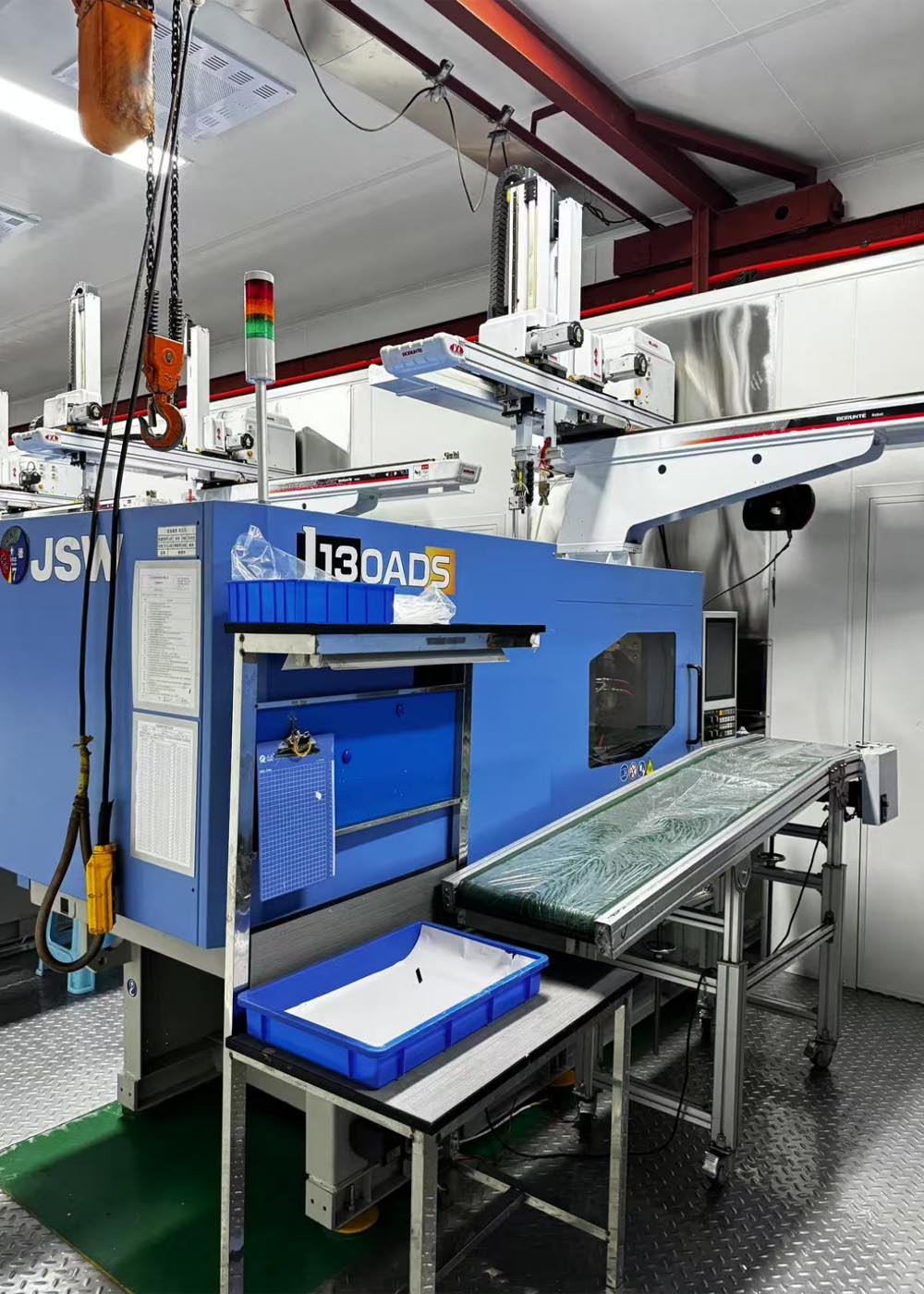
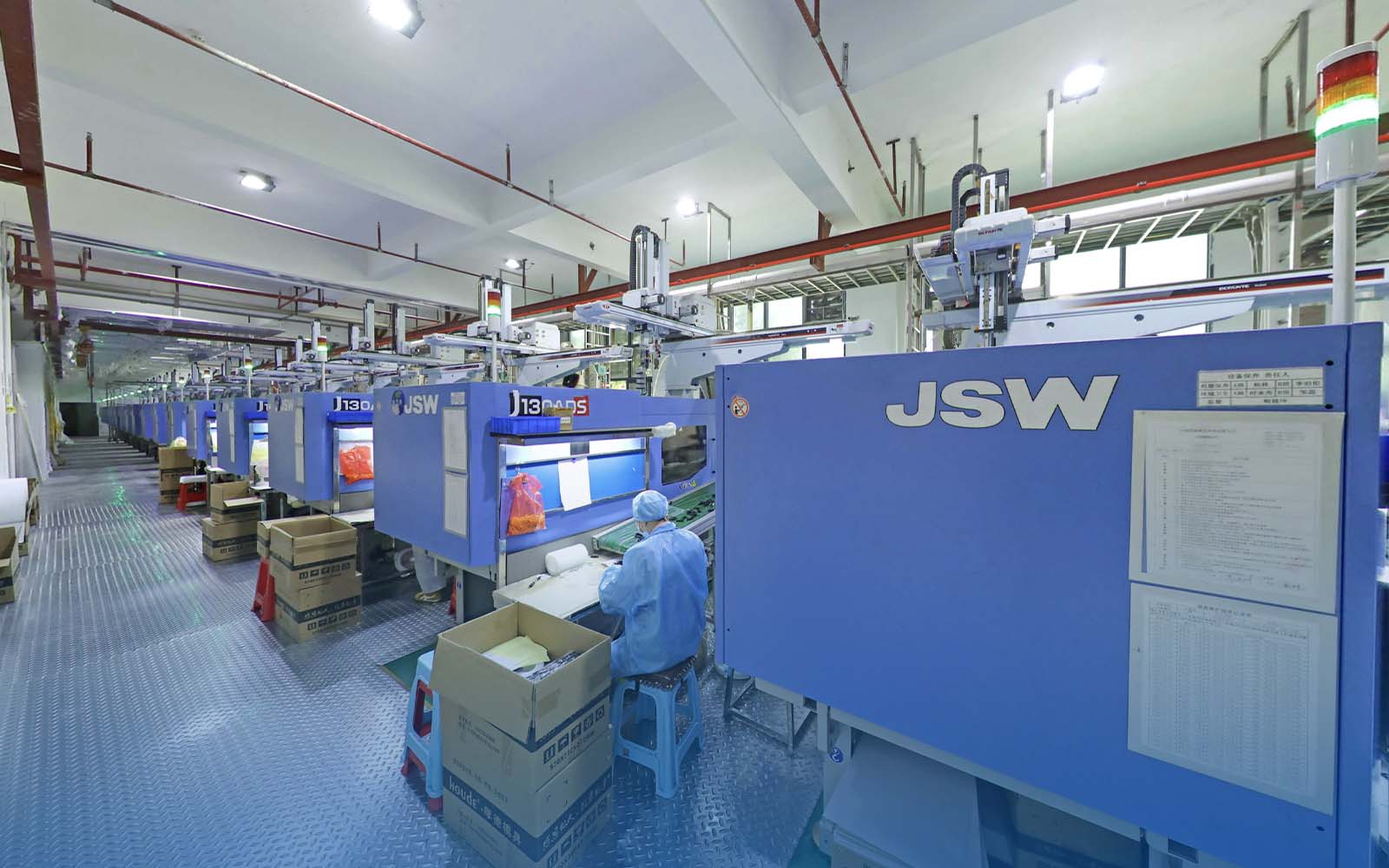
Precision injection molding requires specialized high-tonnage machines that are capable of maintaining high pressures (216-243 MPa) and tight tolerance control. These machines are equipped with advanced sensors that continuously monitor parameters such as injection speed, temperature, and pressure. Any deviation from the set parameters is immediately corrected by real-time adjustments, ensuring that every part is manufactured to the highest standards. The precision and reliability of these machines are fundamental to the success of the process.
The Role of High-Precision Molds
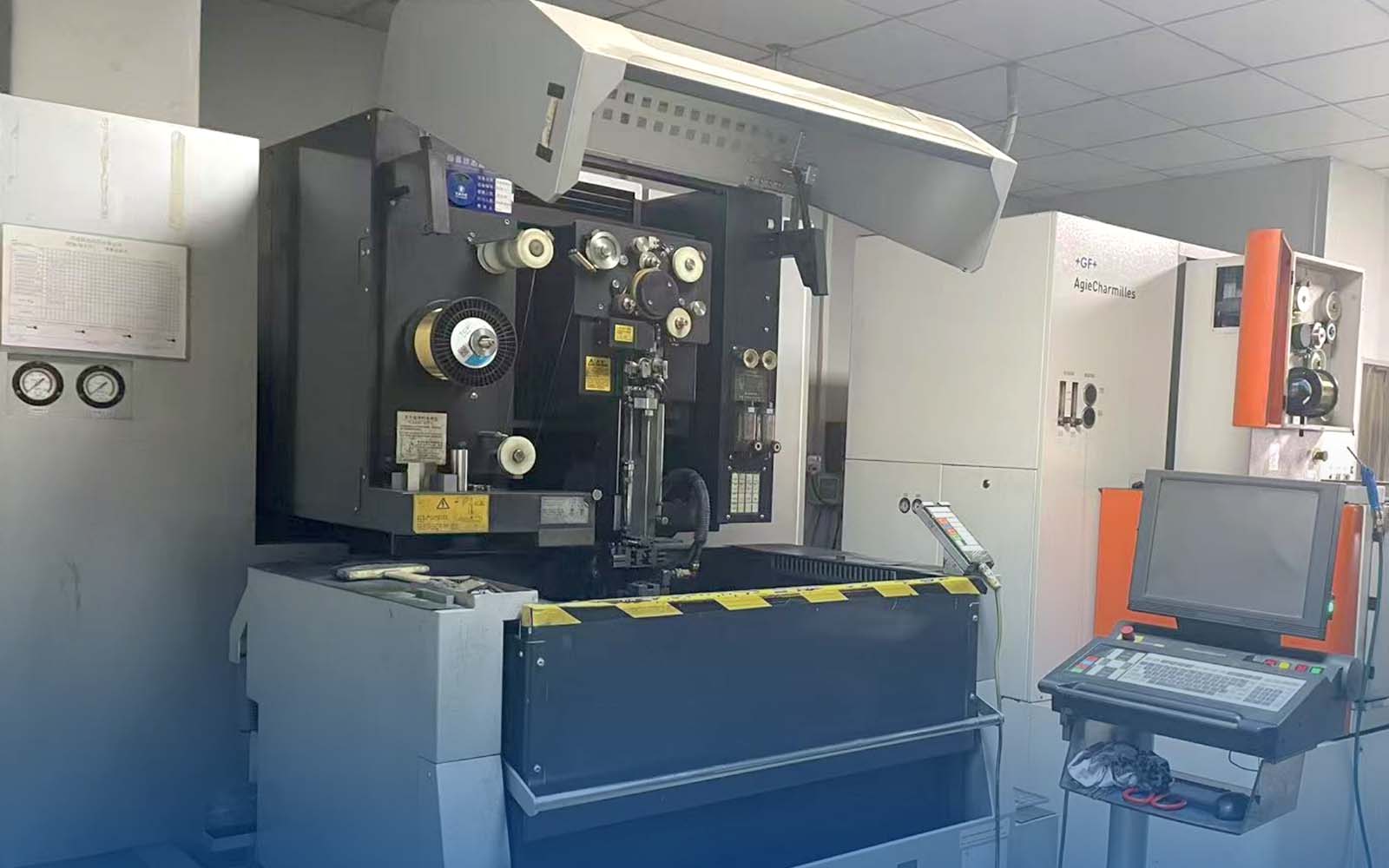
The mold is the heart of the precision injection molding process. Molds used in precision molding are made from high-quality materials such as hardened steel, ensuring they can withstand the pressures and temperatures involved in the process while maintaining their integrity over many cycles. The molds are designed with intricate cooling channels to ensure uniform temperature distribution, which is essential for minimizing warping and ensuring the accuracy of the final part. The mold’s precision directly impacts the dimensional accuracy and surface quality of the molded parts.
The Importance of Temperature and Pressure Control
Temperature and pressure control are critical in precision injection molding. Maintaining optimal temperatures throughout the injection and cooling phases ensures that the plastic material solidifies evenly, preventing defects such as shrinkage, warping, or uneven surface finishes. Similarly, precise pressure control ensures that the molten plastic completely fills every detail of the mold without creating air pockets or voids. Real-time monitoring and adjustment of these parameters are essential to achieving consistent, high-quality results across large production runs.
Industries That Benefit from Precision Injection Molding
Medical Devices
Precision injection molding plays a pivotal role in the medical industry, where parts must meet strict regulatory standards and perform flawlessly in critical applications. Medical device components such as surgical tools, diagnostic instruments, and implantable devices require ultra-precise manufacturing to ensure safety and efficacy. For example, components like syringes, catheter parts, and surgical instruments must adhere to exact tolerances to prevent malfunctions and ensure patient safety.
Aerospace and Automotive
In the aerospace and automotive industries, precision injection molding is used to produce components that must perform under extreme conditions. For the aerospace sector, lightweight but durable parts such as housings for electrical components or structural elements in aircraft are made using precision molding. Similarly, automotive components such as sensor housings, fuel injectors, and connectors require tight tolerances to ensure performance and safety. The ability to achieve high accuracy in these parts ensures that the vehicles are both safe and efficient.
Electronics and Telecommunications
The electronics industry demands components that are not only highly precise but also capable of functioning in a wide range of environments. Precision injection molding is used to produce parts like connectors, housings, and micro-switches for consumer electronics, including smartphones and laptops. Additionally, the telecommunications industry relies on precision-molded plastic components for fiber-optic networks and other high-performance systems. The tight tolerances achieved through precision molding ensure that these components fit together perfectly, reducing the risk of failure and ensuring optimal performance.
Materials Used in Precision Injection Molding
High-Performance Thermoplastics
The choice of material is critical in precision injection molding. High-performance thermoplastics such as PEEK (Polyetheretherketone), Ultem (Polyetherimide), and Polycarbonate (PC) are commonly used due to their superior mechanical properties, heat resistance, and chemical stability. These materials are chosen based on the specific demands of the application, such as the need for flexibility, strength, or biocompatibility in medical devices. The right material ensures that the final product will meet the performance requirements and maintain dimensional stability under stress.
Material Selection Based on Application
Choosing the right material is a critical factor in precision injection molding. Different application needs will influence material selection, such as temperature resistance, corrosion resistance, and mechanical strength. The following table presents several commonly used materials and their applications across industries. Here, you can see the material properties, applicable industries, and specific use cases. Material selection should ensure that the material meets the industrial requirements and performs effectively in demanding environments.
| Material | Properties | Applicable Industries | Typical Application Examples | Considerations |
| PEEK (Polyetheretherketone) | High heat resistance, corrosion resistance, mechanical strength, ideal for high-load, high-temperature environments. | Aerospace, medical devices, automotive | Aircraft engine components, medical implants, automotive engine parts | Material is expensive, and production requires strict temperature control. |
| Ultem (Polyetherimide) | Excellent electrical insulation and heat resistance, suitable for electrical components. | Electronics, aerospace, automotive | Electrical connectors, automotive sensors, aerospace components | Stable at high temperatures but relatively costly. |
| Polycarbonate (PC) | Excellent impact resistance, transparency, commonly used for applications requiring clear appearance and high strength. | Electronics, automotive, optical devices | Smartphone housings, light lenses, automotive interior components | Can degrade under UV exposure, ideal for use in environments that don’t involve high temperatures. |
| POM (Polyoxymethylene) | High mechanical strength, low friction, wear resistance, suitable for precision mechanical components. | Automotive, electronics, mechanical manufacturing | Precision gears, electronic connectors, automotive fuel pump parts | Performs well in low-temperature environments, but may deform in high-temperature applications. |
Tip: Material selection should be based on the functional requirements and operating environment of the final product. For high-temperature applications, PEEK is an ideal choice, though it comes at a higher cost.
Shrinkage and Tolerance Control
One of the challenges in precision injection molding is controlling material shrinkage. Different materials shrink at different rates when cooled, and this must be accounted for during mold design to achieve the required tolerance. Materials with low shrinkage rates, such as POM, are ideal for applications requiring extremely tight tolerances. Engineers must carefully select materials based on their shrinkage characteristics to ensure that the final part maintains its dimensions and performs as expected in the end use.
The Precision Injection Molding Process: Detailed Breakdown
Mold Design and Engineering
The precision injection molding process begins with mold design. Engineers use advanced CAD (Computer-Aided Design) software to create precise models of the molds, ensuring that the cavity sizes, material flow paths, and cooling channels are optimized. The mold design also takes into account the shrinkage characteristics of the material being used, ensuring that the final part will meet the required dimensions. Additionally, multi-cavity molds are often used to maximize production efficiency, reducing cycle times and costs.
Injection and Cooling Techniques
Once the mold design is finalized, the next step is to prepare for injection. The plastic material is heated to its melting point and injected into the mold under high pressure. To ensure consistent part quality, precise control of the injection speed and pressure is critical. The mold is also equipped with efficient cooling channels that allow for rapid cooling of the plastic, reducing cycle times and minimizing defects like warping or sink marks. The cooling phase is carefully monitored to ensure uniform solidification.
Ejection and Post-Processing
After the molded part has cooled and solidified, it is ejected from the mold using either mechanical or pneumatic ejection systems. Precision injection molding often requires minimal or no secondary processing, as the parts come out of the mold with a high-quality finish. However, some parts may require additional post-processing steps such as trimming, assembly, or surface finishing to meet specific functional or aesthetic requirements.
Advantages of Precision Injection Molding
High Repeatability and Consistency
One of the main advantages of precision injection molding is its high repeatability and consistency. Through advanced equipment and technology, precision molds can guarantee the highest level of consistency for each part produced. The table below showcases precision guarantees and production efficiency at various production volumes.
| Production Volume | Precision Requirement | Scrap Rate Per 1,000 Parts | Production Time | Repeatability |
| Small Batch (1–1000 parts) | ±0.025mm to ±0.05mm | 1–2% | 50-100 parts per hour | Minimal deviation per batch, ideal for high-precision prototypes |
| Medium Batch (1,000–10,000 parts) | ±0.01mm to ±0.025mm | 0.5–1% | 200-500 parts per hour | High consistency, virtually no deviation |
| Large Batch (10,000+ parts) | ±0.001mm to ±0.005mm | <0.5% | 1,000 parts per hour and above | Almost zero deviation, maintaining uniformity across large runs |
Cost Efficiency for Mass Production
While the initial cost of creating precision molds and setting up the manufacturing process is higher than standard injection molding, the long-term cost savings are significant. The high precision of the process reduces the need for post-processing, scrap, and rework, leading to lower overall production costs. The ability to produce large volumes of parts with minimal defects also contributes to cost efficiency.
Reduced Material Waste
Precision injection molding minimizes material waste by optimizing the amount of material used during production. The precise control over the injection process ensures that the right amount of material is injected into the mold, reducing excess plastic that would otherwise be discarded. Additionally, many precision molding processes use recyclable thermoplastics, further supporting sustainable manufacturing practices.
Conclusion
Precision injection molding is a critical process for producing high-accuracy plastic parts with tight tolerances. This manufacturing method ensures that parts meet stringent performance and reliability standards. Industries like medical devices, aerospace, automotive, and electronics rely on this process for high-performance components. HOUDEMOLD provides exceptional products that leverage this advanced technique, offering unmatched precision, efficiency, and cost-effectiveness. With their expertise and state-of-the-art machinery, HOUDEMOLD ensures superior quality in both small batches and mass production.
FAQ
Q: What is Precision Injection Molding?
A: Precision Injection Molding is a highly advanced manufacturing process that produces intricate, high-accuracy plastic parts with tolerances as tight as ±0.001 inches. It is used in industries such as medical devices, aerospace, and automotive to create reliable and precise components.
Q: How does Precision Injection Molding work?
A: In Precision Injection Molding, high-performance thermoplastic material is heated and injected into a precisely engineered mold under high pressure. The mold is tightly controlled to ensure accuracy, and once cooled, the component is ejected for further processing or inspection.
Q: Why is Precision Injection Molding important?
A: Precision Injection Molding is crucial for industries requiring exact tolerances, such as medical devices and aerospace, where even the slightest deviation can lead to malfunction. It ensures components meet stringent performance and safety standards with minimal defects.
Q: What are the advantages of Precision Injection Molding?
A: The main advantages include high dimensional accuracy, repeatability, cost-efficiency for mass production, and reduced material waste. The precision of the process makes it ideal for producing high-performance components in industries like electronics and medical devices.
Q: How much does Precision Injection Molding cost?
A: The cost of Precision Injection Molding depends on factors like mold complexity, material choice, and production volume. While initial tooling costs can be high, the long-term savings in reduced defects and material waste make it a cost-effective solution for high-volume production.
Q: What materials are used in Precision Injection Molding?
A: Common materials include high-performance thermoplastics like PEEK, Ultem, and Polycarbonate. These materials offer superior mechanical properties, heat resistance, and chemical stability, making them ideal for demanding applications in industries such as medical and aerospace.
Q: What makes Precision Injection Molding different from traditional molding?
A: Precision Injection Molding offers tighter tolerances and higher accuracy than standard molding. It uses advanced machinery, real-time monitoring, and specialized molds to produce parts with a high degree of precision, which is crucial for industries like medical devices and aerospace.
Q: How is quality controlled in Precision Injection Molding?
A: Quality in Precision Injection Molding is maintained through real-time monitoring of injection parameters, such as temperature, pressure, and speed. Advanced machinery ensures that each part meets strict dimensional accuracy, with minimal defects or inconsistencies in large production runs.

